
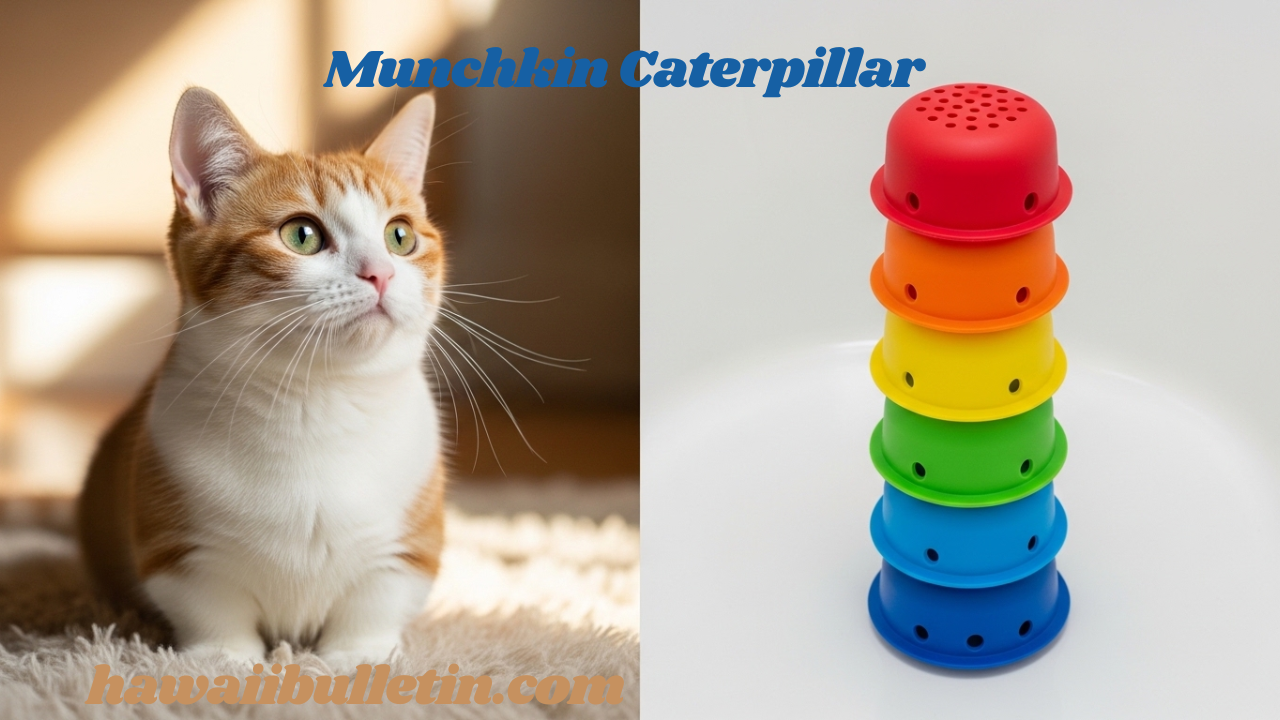
If you’ve stumbled upon the term “munchkin caterpillar,” you might be picturing a tiny, adorable insect with stubby legs. While that’s a charming thought, you’re likely referring to one of two things: the beloved Munchkin cat breed (affectionately nicknamed for its short, waddling gait) or the popular Munchkin brand Caterpillar Spillers bath toy.
In this comprehensive guide, we will explore the fascinating world of the Munchkin cat. We’ll answer your most pressing questions about their lifespan, diet, cost, and natural origins. Whether you are considering adopting one of these “dwarf” cats or are just curious about what makes them so special, this article will provide all the answers you need.
What is a Munchkin Cat?
The Munchkin cat is a medium-sized feline easily recognized by its distinctive feature: extremely short legs caused by a natural genetic mutation. Often described as the “Dachshund of the cat world,” these cats are otherwise typical in appearance, with a well-rounded chest, a medium-length body, and a playful, outgoing personality.
Despite their short stature, Munchkins are surprisingly agile. They can run at impressive speeds and are known for their ability to make tight turns during play. While they can’t leap onto high countertops like a typical cat, they are resourceful and will find creative, lower-impact ways to reach their favorite vantage points. A common and endearing behavior is their tendency to sit up on their haunches, like a prairie dog, to survey their surroundings.
These cats are also known for their “magpie” tendencies—they love to collect small, shiny objects like jewelry or bottle caps and stash them away in a hidden spot for later play.
How Much Does a Munchkin Cat Cost?
The cost of bringing a Munchkin cat into your home can vary significantly depending on whether you choose to adopt or buy from a breeder.
Adoption (Most Affordable)
Adopting a Munchkin from a rescue or shelter is a wonderful option that gives a cat a second chance. Adoption fees are generally quite reasonable, ranging from $40 to $300. This fee typically covers initial veterinary costs, including vaccinations, spaying/neutering, and sometimes microchipping.
Buying from a Breeder (Most Expensive)
If you choose to buy a Munchkin kitten from a reputable breeder, you should expect to pay a premium. The cost for a pet-quality Munchkin typically ranges from $1,000 to $4,500. Several factors influence this price:
-
Breeder Reputation: Experienced breeders who health-test their cats charge more.
-
Show Quality: Kittens from champion bloodlines intended for showing are the most expensive.
-
Coat Color and Pattern: Rare or highly sought-after colors and patterns can command higher prices.
-
Location: Prices can vary based on geographic region and local demand.
One-Time and Monthly Costs
Beyond the initial purchase or adoption fee, remember to budget for ongoing expenses. Initial setup for supplies (bed, litter box, carrier, scratching post) can cost between $450 and $1,200. Monthly costs for high-quality food, litter, pet insurance, and routine veterinary care typically fall between $70 and $140. The estimated lifetime cost of owning a Munchkin cat is between $22,500 and $30,000.
What Do Munchkins Eat?
Munchkin cats thrive on a high-quality, balanced diet just like any other cat. Because they are prone to potential joint issues, maintaining a healthy weight is crucial to avoid putting unnecessary stress on their legs and spine.
Here are key dietary considerations for a Munchkin:
-
Complete and Balanced Nutrition: Choose a cat food that meets the nutritional levels established by the AAFCO. Look for real meat or fish as the first ingredient. Brands like Purina offer specific lines suitable for indoor cats, such as Purina Cat Chow Indoor or Purina Beyond Indoor Grain Free recipes.
-
Joint Support: Some owners opt for food that includes added glucosamine and chondroitin, which can help support long-term joint health.
-
Portion Control: Follow the feeding guidelines on your chosen food and adjust portions based on your cat’s age, activity level, and body condition. Your veterinarian can provide personalized recommendations.
-
Specialized Bowls: Because of their short legs, a Munchkin may find it easier to eat and drink from a shallow bowl rather than a deep one.
What is the Life Span of a Munchkin Cat?
A Munchkin cat generally enjoys a full and healthy life. Most sources agree that the average lifespan of a Munchkin cat is between 12 and 15 years. With excellent care, a proper diet, and a safe indoor environment, some Munchkins may even live longer, with a range of 10 to 15 years commonly cited.
The key to a long, happy life for a Munchkin is proactive healthcare. Regular veterinary check-ups, maintaining a healthy weight, and keeping them safely indoors to protect them from predators and cars are essential steps for any owner.
Is the Munchkin Cat Natural?
This is one of the most common and important questions about the breed. Yes, the short-legged trait of the Munchkin cat is the result of a natural genetic mutation.
A Natural, Not Man-Made, Mutation
Reports of short-legged cats have appeared throughout history and around the world. In the 1940s, a British veterinarian described four generations of cats with short legs. Similar cats were spotted in Russia during the 1950s and in the United States in the 1970s.
The modern lineage of the Munchkin breed began in 1983 in Rayville, Louisiana, when a music teacher named Sandra Hochenedel found two pregnant cats with unusually short legs hiding under a truck. She kept one, named Blackberry, and half of her kittens were born with the same short legs. It was later determined by a geneticist that the trait is caused by an autosomal dominant gene, meaning a kitten only needs to inherit the gene from one parent to have short legs.
The Breed Controversy
While the mutation is natural, the breed is controversial. Because the short legs are a deliberate form of dwarfism, some major cat registries, including the Governing Council of the Cat Fancy (GCCF) and the Cat Fanciers’ Association (CFA), do not recognize the Munchkin as a legitimate breed. They have concerns that the genetic mutation could lead to an increased risk of health problems, particularly spinal issues similar to those seen in short-legged dog breeds, such as lordosis (excessive curvature of the spine) and pectus excavatum (funnel chest) .
Despite the controversy, the breed has been accepted by The International Cat Association (TICA) and has been part of their championship competition since 2003.
A Note on the “Munchkin Caterpillar” Bath Toy
It is worth noting that the keyword “munchkin caterpillar” may also lead you to a delightful product for babies and toddlers. The Munchkin Caterpillar Spillers is a set of colorful, stackable bath cups that connect to form a caterpillar. Designed for children 9 months and older, these cups help develop hand-eye coordination as little ones learn to scoop, pour, and stack. If you were searching for a toy and not a pet, this is the adorable, water-loving “caterpillar” you’re looking for.
Conclusion: Is a Munchkin Cat Right for You?
The Munchkin cat is a unique, affectionate, and playful breed that brings immense joy to their owners. Their short legs are not a disability but a defining characteristic of a cat that is otherwise healthy, active, and full of personality. They are social creatures that get along well with children, other cats, and even cat-friendly dogs.
However, they are not the right fit for every home. Due to their physical limitations and potential health risks, they are strictly indoor cats. They also require owners who are home often and can provide them with a stimulating environment filled with ramps, steps, and interactive toys to compensate for their inability to jump high. Families with very young children should be cautious, as a Munchkin’s back can be easily injured if handled roughly.
If you have the time, patience, and love to give, a Munchkin cat can be a rewarding companion. Their curiosity, loyalty, and kitten-like antics will undoubtedly bring laughter and warmth to your home for 12 to 15 years.
Call to Action: Are you ready to welcome a Munchkin into your life? Start your journey by checking local shelters and breed-specific rescues—you might just find your perfect short-legged friend waiting for you.