
Introduction to the Greek Nose
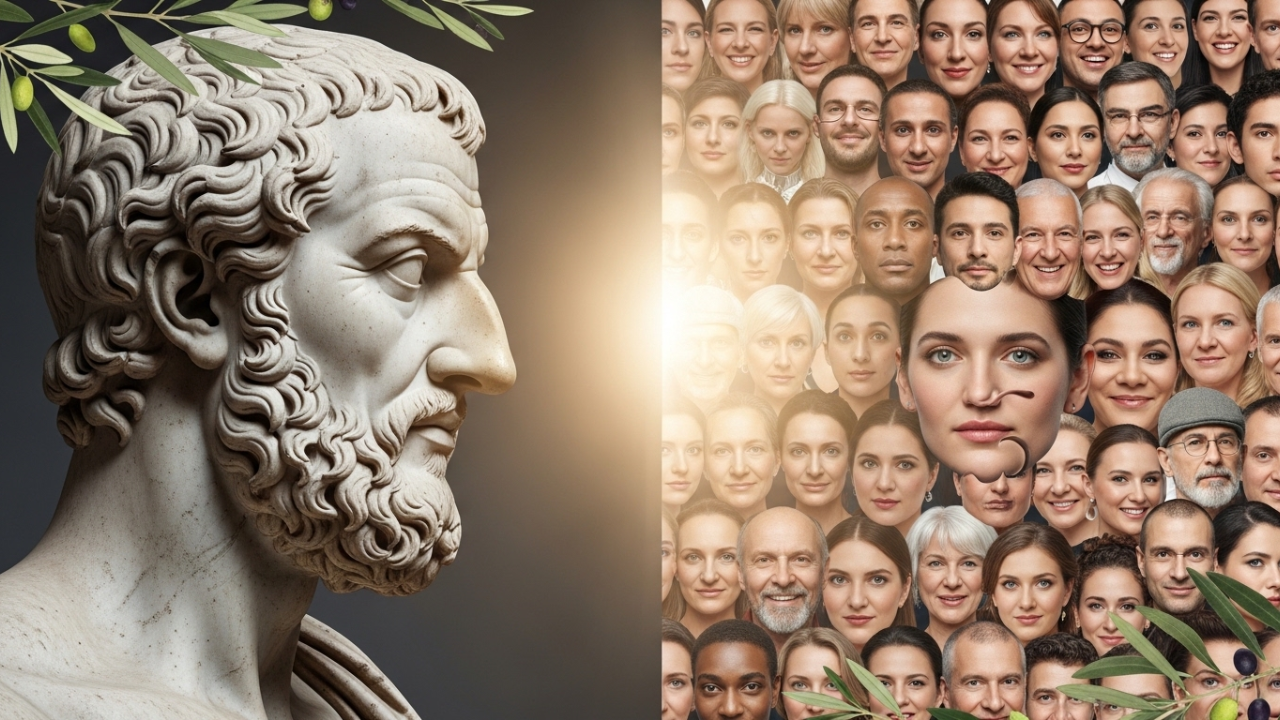
Noses come in all shapes and sizes, each with its own story to tell. But few have captured the imagination quite like the Greek nose. This iconic feature has long been regarded as a symbol of beauty and strength, echoing through centuries of art and culture. From ancient sculptures that grace our museums to modern interpretations on runways today, the Greek nose represents an enduring ideal.
But what is it about this distinctive shape that continues to fascinate? Is it merely aesthetics or something deeper—rooted in history and tradition? As we journey through time, we’ll explore how the Greek nose has not only influenced standards of beauty but also reflects evolving perceptions across cultures. Join us as we uncover the legacy of one of history’s most celebrated features!
History and Significance of the Greek Nose in Ancient Greece
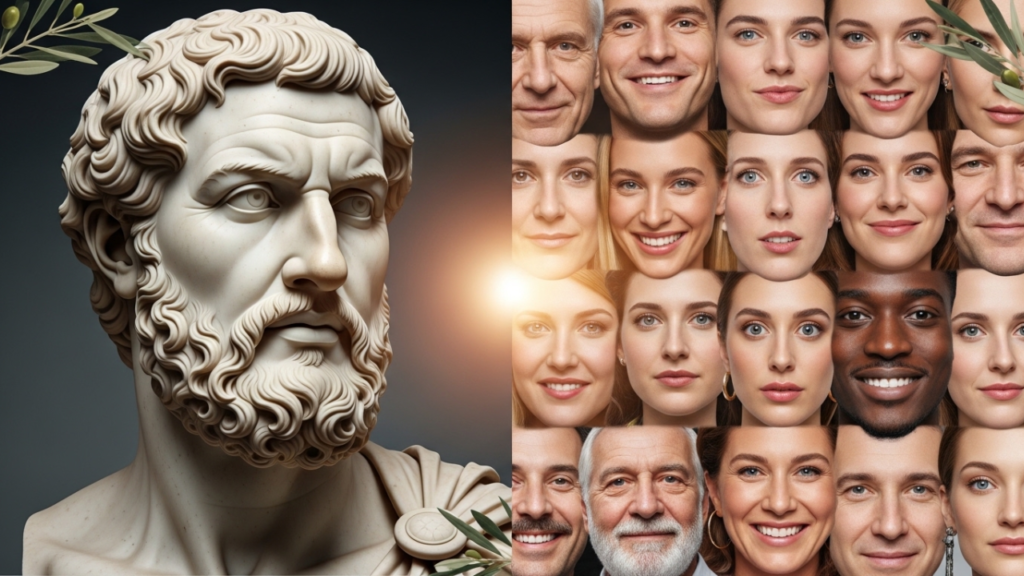
In ancient Greece, the nose was more than just a facial feature. It symbolized beauty and character, often reflecting one’s social status and virtues. Sculptors like Phidias and Praxiteles captured this ideal in marble, creating masterpieces that emphasized balance and proportion.
The Greek nose often featured a straight bridge with a refined tip. This aesthetic became synonymous with divine perfection. Gods portrayed in art were typically bestowed with such traits to convey their superiority.
Philosophers also weighed in on the subject of beauty. Plato believed that harmony among body parts led to greater virtue. Thus, a well-formed nose was seen as an indicator of inner goodness.
Even during their time, the Greeks understood how appearances influenced perceptions of morality and intellect. The significance they placed on the Greek nose has echoed through history, leaving lasting impressions on concepts of beauty across cultures.
The Classical Ideal of Beauty and Its Influence on the Greek Nose
The Classical Ideal of beauty in ancient Greece set the standard for physical perfection. Sculptors and artists sought to capture this ideal, leading to a specific appreciation for certain facial features, including the Greek nose.
Characterized by its strong bridge and refined tip, the Greek nose became symbolic. It represented not just aesthetics but also virtues like strength and intellect. Many famous sculptures from antiquity showcase this feature prominently, reflecting society’s admiration for balance and harmony.
This ideal influenced everything from architecture to philosophy. The notion that beauty could embody moral goodness was pervasive. As such, the Greek nose carried weight beyond mere looks—it was tied deeply to cultural identity.
Even today, its legacy persists in how we view attractiveness. The classical standards established centuries ago still resonate within our modern definitions of beauty.
How the Greek Nose Has Evolved in Modern Society
The Greek nose, once a symbol of classical beauty, has seen its share of transformations in the modern era. Today, aesthetics are influenced by diverse cultures and individual expressions. The traditional features are often celebrated but also redefined.
In contemporary society, cosmetic surgery plays a significant role. Many seek to modify their noses to fit personal ideals rather than historical standards. This shift reflects changing perceptions around beauty and identity.
Social media amplifies these changes too. Influencers flaunt unique traits that challenge conventional norms. The focus on authenticity encourages individuals to embrace their natural features.
Artistic representations also contribute to this evolution. Modern artists reinterpret the Greek nose through various lenses, highlighting its versatility across different contexts and styles.
Amidst all this change, appreciation for the original form remains alive while adapting to new generations’ tastes and preferences.
Controversies and Criticisms Surrounding the Greek Nose
The Greek nose has long been a symbol of beauty, yet it is not without its controversies. Some argue that the glorification of this feature perpetuates narrow standards in aesthetics.
Critics point to historical depictions that often idealize one type of nose while marginalizing others. This creates an unhealthy comparison among individuals who may feel pressure to conform to these ancient ideals.
Moreover, cultural appropriation comes into play when certain ethnic features are celebrated selectively. The Greek nose can become a double-edged sword, revered by some but dismissed or ridiculed in different contexts.
Social media amplifies these discussions, leading many to question what defines beauty today. As people share their diverse narratives, they challenge traditional notions and invite broader conversations around acceptance and individuality.
Embracing Diversity: Celebrating All Noses as Beautiful
Beauty is not one-size-fits-all. It’s a vibrant tapestry woven from countless shapes, sizes, and textures. Each nose tells its own story, reflecting heritage, culture, and individuality.
In recent years, there has been a shift towards embracing what makes us unique. Instead of conforming to traditional ideals of beauty—like the Greek nose—we’re celebrating diversity as an asset.
Noses come in all forms: straight, curved, wide, narrow. Each variation adds character and depth to our faces. They define our identities and connect us to our lineage.
Social media plays a crucial role in this celebration of diversity. Platforms are flooded with images showcasing every type of nose imaginable. Influencers proudly display their features without filters or alterations.
By appreciating all noses as beautiful expressions of humanity, we foster confidence within ourselves and others. This acceptance paves the way for future generations to embrace their uniqueness wholeheartedly.
Conclusion: The Enduring Legacy of the Greek Nose in Beauty Standards
The legacy of the Greek nose continues to shape beauty standards today. Its distinct form represents a cultural ideal that has transcended centuries. Ancient Greeks celebrated this feature, associating it with strength, intelligence, and nobility.
In modern society, the Greek nose still invokes admiration and is often sought after in aesthetic practices. Yet beauty trends are shifting toward inclusivity and diversity. No longer confined to one standard, our appreciation for different facial features is growing.
This evolution marks an important shift in how we perceive beauty itself—an embrace of various shapes and sizes. The Greek nose stands as a testament to history’s influence on contemporary ideals while reminding us of the unique charm found in every individual’s features.
As we honor diversity in all its forms, it’s clear that what truly matters is confidence and self-acceptance. Each nose tells a story—a narrative woven into the fabric of human experience—and every variation deserves celebration.