
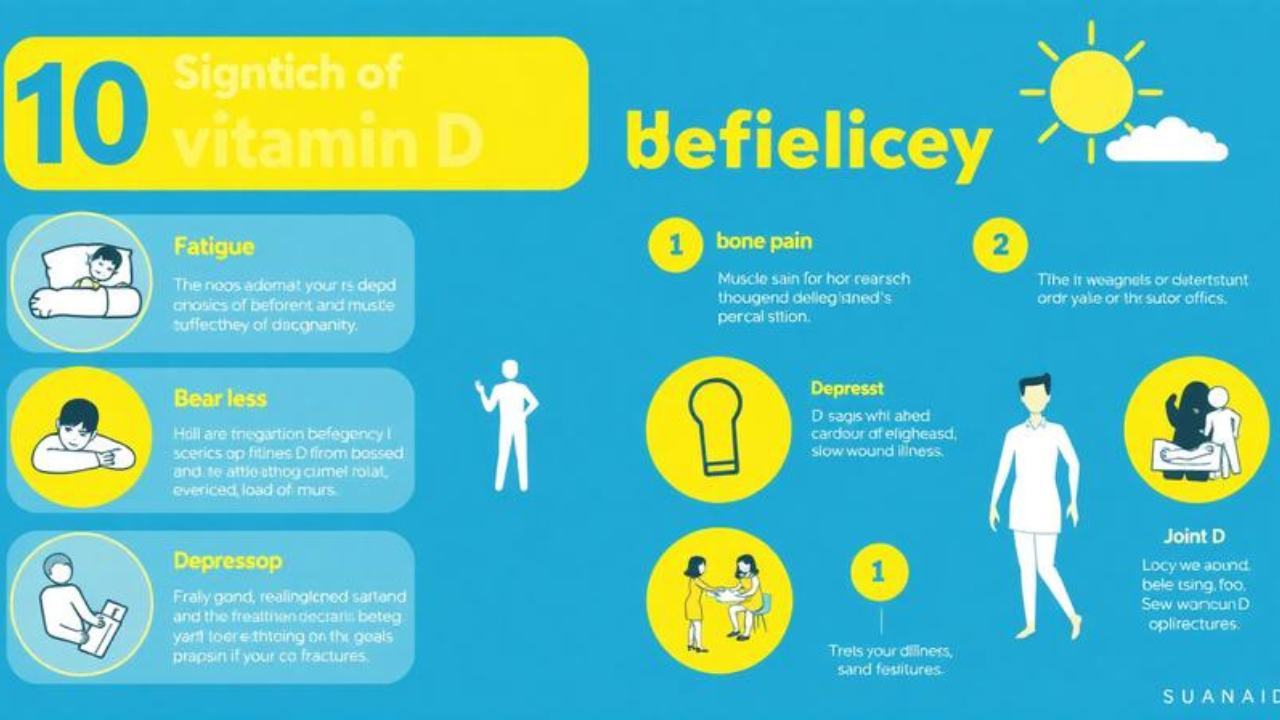
The challenge is that the symptoms of vitamin D deficiency can be subtle at first. Many people dismiss them as signs of aging, stress, or lack of sleep. However, ignoring these warning signs can lead to more serious health issues over time.
In this guide, we’ll explore the most common signs of vitamin D deficiency, why they occur, and what you can do to restore healthy levels.
What Is Vitamin D Deficiency?
Vitamin D deficiency occurs when your body doesn’t have enough vitamin D to function properly. This can happen due to limited sun exposure, dietary deficiencies, certain medical conditions, or the body’s inability to absorb vitamin D effectively.
Healthcare providers typically diagnose deficiency through a blood test that measures vitamin D levels.
Why Vitamin D Is Important
Before discussing the symptoms, it’s important to understand why vitamin D matters.
Vitamin D helps:
- Maintain strong bones and teeth
- Support immune system function
- Regulate calcium and phosphorus absorption
- Improve muscle strength
- Promote healthy brain function
- Support cardiovascular health
Without adequate vitamin D, several bodily systems can suffer.
1. Constant Fatigue and Low Energy
One of the most common signs of vitamin D deficiency is persistent fatigue.
If you feel tired despite getting enough sleep, low vitamin D levels may be a contributing factor. Research suggests that vitamin D influences energy production and overall physical performance.
People with deficiency often report:
- Daytime sleepiness
- Lack of motivation
- Reduced productivity
- Difficulty concentrating
Since fatigue can result from various conditions, it’s important to consider vitamin D levels if the tiredness becomes chronic.
2. Frequent Illness and Weakened Immunity
Vitamin D plays a major role in immune system regulation.
Individuals with low vitamin D may experience:
- Frequent colds
- Recurring respiratory infections
- Longer recovery times
- Increased susceptibility to illness
The vitamin helps activate immune defenses that protect the body from bacteria and viruses. If you’re getting sick more often than usual, deficiency may be worth investigating.
3. Bone Pain and Back Pain
Vitamin D is essential for calcium absorption.
Without enough vitamin D, bones may become weak and painful. Many people experience:
- Lower back pain
- Joint discomfort
- Bone tenderness
- General skeletal aches
Persistent bone pain should never be ignored, as it can indicate long-term vitamin D deficiency and reduced bone density.
4. Muscle Weakness
Muscle weakness is another frequently overlooked symptom.
Vitamin D receptors are present in muscle tissue, meaning the vitamin directly affects muscle performance and strength.
Common signs include:
- Difficulty climbing stairs
- Trouble lifting objects
- Feeling physically weak
- Reduced athletic performance
Older adults with vitamin D deficiency may be particularly vulnerable to muscle weakness and falls.
5. Mood Changes and Depression
Emerging research suggests a strong connection between vitamin D and mental well-being.
Low vitamin D levels have been associated with:
- Depression
- Anxiety
- Mood swings
- Irritability
While vitamin D deficiency is not the sole cause of mental health conditions, insufficient levels may contribute to emotional challenges in some individuals.
Many people notice improvements in mood after correcting a deficiency under medical supervision.
6. Slow Wound Healing
If cuts, bruises, or surgical wounds take longer than usual to heal, vitamin D deficiency may be playing a role.
Vitamin D contributes to:
- Inflammation control
- Tissue repair
- Immune response
A lack of adequate vitamin D can slow these processes, resulting in delayed healing.
This symptom is particularly important for individuals recovering from surgery or managing chronic wounds.
7. Hair Loss
Hair loss can occur for many reasons, including stress, hormonal imbalances, genetics, and nutritional deficiencies.
Several studies suggest that low vitamin D levels may be linked to certain forms of hair loss.
Warning signs include:
- Excessive shedding
- Thinning hair
- Patchy hair loss
- Reduced hair growth
Although vitamin D deficiency is rarely the only cause, maintaining healthy levels may support better hair health.
8. Increased Bone Fractures
Repeated fractures or stress fractures may indicate weakened bones caused by vitamin D deficiency.
Vitamin D helps the body absorb calcium efficiently. Without it, bones become more fragile and susceptible to injury.
Individuals with chronic deficiency face a higher risk of:
- Osteopenia
- Osteoporosis
- Fractures from minor falls
- Reduced bone density
Protecting bone health is one of the most important reasons to maintain adequate vitamin D levels.
9. Chronic Muscle and Joint Pain
Many people with low vitamin D experience unexplained aches and pains throughout the body.
Symptoms may include:
- Muscle soreness
- Joint stiffness
- Widespread discomfort
- Persistent pain without obvious injury
Some individuals spend years treating symptoms without identifying vitamin D deficiency as the underlying cause.
If pain persists despite treatment, discussing vitamin D testing with a healthcare provider may be beneficial.
10. Difficulty Sleeping
Sleep problems may also be associated with low vitamin D levels.
Research suggests that vitamin D influences sleep regulation and quality.
Potential sleep-related symptoms include:
- Trouble falling asleep
- Frequent nighttime awakenings
- Poor sleep quality
- Feeling unrefreshed in the morning
Although sleep disorders have multiple causes, vitamin D status may be one factor worth examining.
Who Is Most at Risk for Vitamin D Deficiency?
Certain groups are more likely to develop vitamin D deficiency.
Risk factors include:
Limited Sun Exposure
People who spend most of their time indoors often receive insufficient sunlight for vitamin D production.
Older Adults
As people age, the skin becomes less efficient at producing vitamin D from sunlight.
Individuals With Darker Skin
Higher melanin levels can reduce the skin’s ability to synthesize vitamin D.
Obesity
Vitamin D can become stored in body fat, making it less available for use.
Digestive Disorders
Conditions such as Crohn’s disease and celiac disease may impair vitamin D absorption.
Certain Medications
Some medications can interfere with vitamin D metabolism.
How to Increase Vitamin D Levels
If you’re experiencing symptoms of deficiency, several strategies may help improve your vitamin D status.
Get More Sunlight
Moderate sun exposure is one of the most effective natural sources of vitamin D.
Aim for regular outdoor activity while following safe sun practices.
Eat Vitamin D-Rich Foods
Foods containing vitamin D include:
- Fatty fish such as salmon and tuna
- Egg yolks
- Fortified milk
- Fortified cereals
- Mushrooms exposed to UV light
Consider Supplements
Vitamin D supplements may be recommended when dietary intake and sunlight exposure are insufficient.
Always consult a healthcare professional before starting supplementation, especially at higher doses.
Get Tested
A simple blood test can determine whether your vitamin D levels are within a healthy range.
Testing is particularly useful if you experience multiple symptoms discussed in this article.
When to See a Doctor
You should speak with a healthcare provider if you experience:
- Persistent fatigue
- Unexplained bone pain
- Frequent illness
- Ongoing muscle weakness
- Recurrent fractures
- Chronic body aches
Early diagnosis can help prevent long-term complications and improve overall health outcomes.
Final Thoughts
The signs of vitamin D deficiency often develop gradually, making them easy to overlook. Symptoms such as fatigue, muscle weakness, bone pain, mood changes, and frequent illness may all indicate that your body isn’t getting enough of this essential nutrient.
Recognizing these warning signs early can help you take action before more serious health problems develop. Through proper testing, balanced nutrition, healthy sun exposure, and professional guidance, most people can successfully restore their vitamin D levels and improve their overall well-being.
Take Action Today
Have you noticed any of these symptoms in yourself or a loved one? Don’t ignore them. Consider speaking with a healthcare professional about vitamin D testing and learn whether your symptoms could be linked to a deficiency. Share this article with friends and family to help them recognize the warning signs and stay proactive about their health.