
Introduction
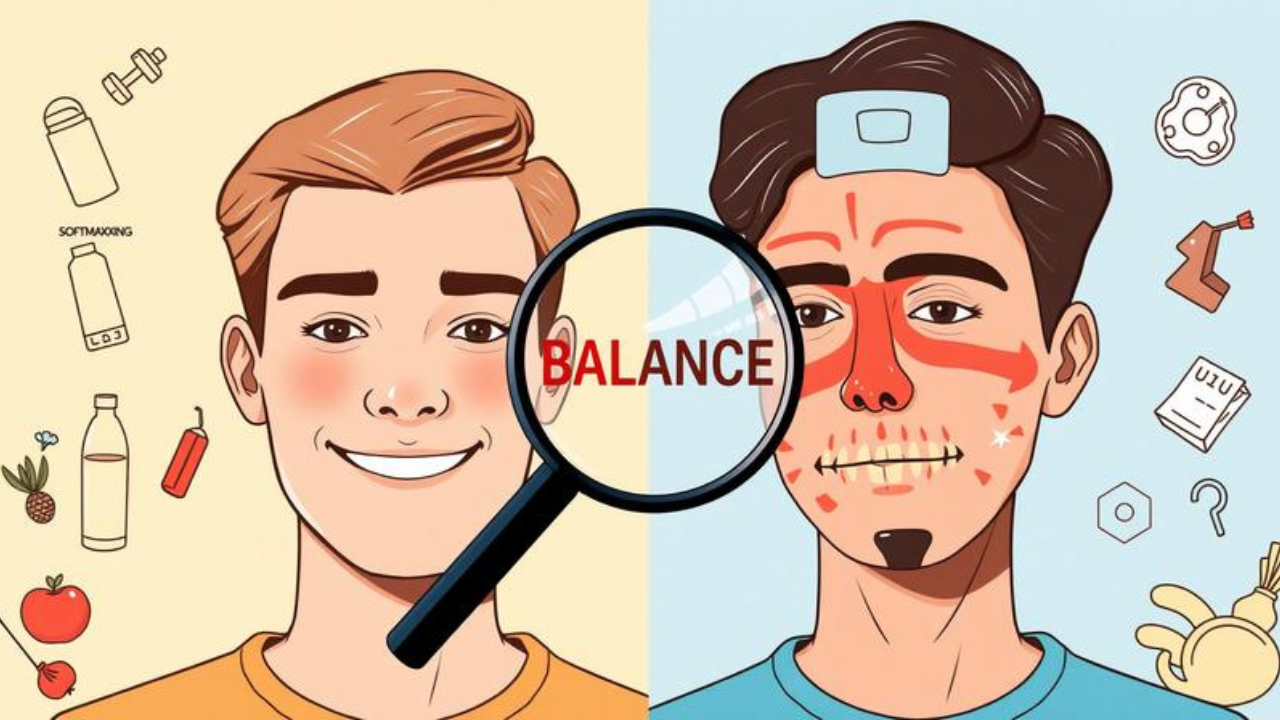
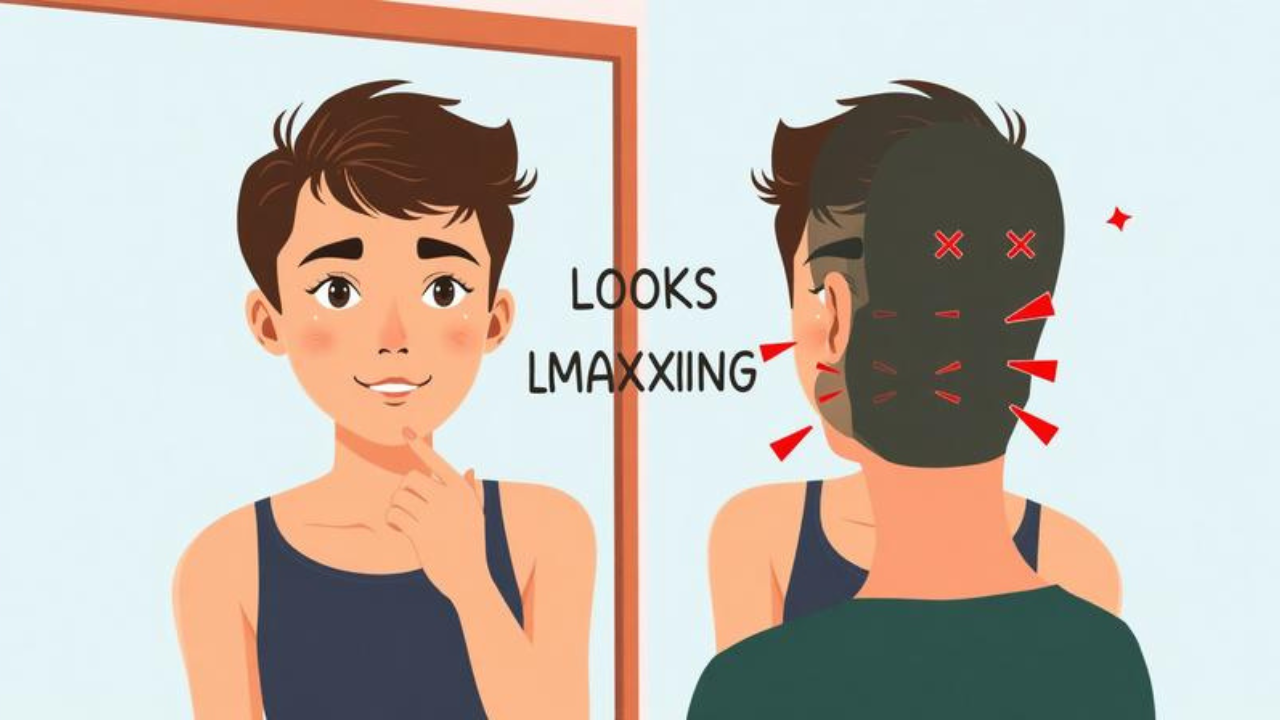
Have you ever caught yourself staring at your reflection, wondering if you could look just a little bit better? In today’s image-obsessed world, that feeling has evolved into a full-blown online movement called looksmaxxing. The problem? Most people have no idea what looksmaxxing actually means—or they assume it’s just another fleeting TikTok trend that doesn’t apply to them. But whether you’re curious about self-improvement, concerned about a teenager in your life, or simply trying to understand the internet’s latest obsession, this guide will walk you through everything you need to know. From the basics of softmaxxing to the dangers of hardmaxxing, you’ll walk away with a clear understanding of what looksmaxxing is, why it matters, and how to navigate it safely.
What Is Looksmaxxing?
At its core, looksmaxxing refers to the practice of maximizing one’s physical attractiveness through various methods and techniques. The term combines “looks” (physical appearance) with “-maxxing”—internet and gaming slang derived from “maximize”. It originated in the mid-2010s within online incel (involuntary celibate) communities, where men discussed romantic rejection and strategies for improving their appearance.
The concept gained significant traction on platforms like Reddit and 4chan before exploding on TikTok in the early 2020s. Today, looksmaxxing has transcended its niche origins to become a mainstream topic of discussion, appearing in everything from meme culture to serious health journalism.
The Two Main Categories
The looksmaxxing community generally divides its practices into two distinct categories:
Softmaxxing refers to relatively benign, everyday habits that enhance appearance. This includes:
-
Skincare routines (cleansing, moisturizing, sunscreen)
-
Regular exercise and going to the gym
-
Getting a new haircut that suits your face shape
-
Improving diet and nutrition
-
Better grooming and hygiene habits
Hardmaxxing involves more extreme and often risky interventions:
-
Cosmetic surgery and implants
-
Steroid and peptide use
-
Bone smashing (intentionally hitting facial bones with hammers)
-
Limb-lengthening procedures
-
Extreme dieting or starvation methods
-
What Is Looksmaxxing Meaning – DEEP FREEZE CHILLIN
Why It Matters: Benefits and Risks
The Potential Benefits
When approached responsibly, looksmaxxing can offer genuine benefits. The softer side of the movement—softmaxxing—essentially encourages basic self-care that many people already practice. Establishing a consistent skincare routine, maintaining a healthy diet, and staying physically active can improve not just appearance but overall health and wellbeing.
Looksmaxxing forums can also unite people toward the common goal of improving their relationship with their body and health. For some, these communities provide motivation, accountability, and practical advice that leads to positive lifestyle changes. The core idea—improving what you can control and tracking the results—is fundamentally sound self-improvement philosophy.
The Serious Risks
However, the darker side of looksmaxxing raises significant concerns. Health experts warn that the trend can fuel body dysmorphia, anxiety, eating disorders, and even self-harm. A 2025 qualitative study published in Sociology of Health & Illness found that looksmaxxing reduces beauty to mathematical symmetry and can cultivate a distorted body schema that closely resembles body dysmorphic disorder.
The risks multiply dramatically with hardmaxxing practices:
-
Bone smashing can cause bruising, swelling, pain, fractures, and injury to delicate facial structures. One expert warned that the real danger is “trading an insecurity for a permanent problem: post-traumatic asymmetry, contour deformity and other visible changes that can persist even after healing”.
-
Steroid use carries long-term risks including hormonal shutdown, fertility issues, acne, and hair loss.
-
Extreme dieting can lead to nutrient deficiencies that actually worsen appearance—causing skin conditions, brittle nails, and lackluster hair.
Beyond physical dangers, looksmaxxing can become all-consuming, leaving less time for school, friendships, and other meaningful activities. Constant exposure to appearance-focused content may contribute to lower self-esteem, body dissatisfaction, and unrealistic expectations about beauty.
Step-by-Step Tips: How to Approach Looksmaxxing Safely
If you’re interested in improving your appearance through looksmaxxing principles, here’s a sensible approach:
Step 1: Start with the Fundamentals
Before considering any extreme measures, master the basics. Hygiene is non-negotiable—shower daily, practice good oral care, and maintain basic grooming. Establish a simple skincare routine that includes cleansing, moisturizing, and daily sunscreen application. These foundational habits provide the highest return on investment with virtually no risk.
Step 2: Focus on Fitness
Regular exercise is arguably the single most effective looksmaxxing technique. Getting lean helps reveal facial bone structure, while building muscle enhances overall appearance. Training your neck can make you appear more muscular than you actually are and help create a more proportional physique. Aim for a balanced approach combining resistance training with cardiovascular exercise.
Step 3: Upgrade Your Style
Clothing that fits well and suits your body type can dramatically improve your appearance. Choose clean lines and proper fit over loud fashion statements. Pay attention to how clothes sit on your shoulders and complement your proportions. This is one of the easiest and most affordable ways to enhance your look.
Step 4: Refine Your Diet
Nutrition plays a crucial role in appearance. Focus on whole foods, adequate protein intake, and proper hydration. Avoid refined sugar, processed foods, and excessive alcohol. Some looksmaxxers follow simple, nutrient-dense meal plans like ground beef and rice—but ensure you’re getting adequate variety to avoid nutritional deficiencies.
Step 5: Practice Patience
Sustainable improvement takes time. A serious looksmaxxing protocol typically requires 6 to 12 months of consistent effort before significant results become visible. Pick one goal for your face, one for your body, and one for your style, then follow a simple checklist for 30 days before adding more. This prevents overwhelm and allows you to build lasting habits.
Step 6: Consider Your Mental Health
Perhaps most importantly, maintain perspective. If you find yourself constantly comparing your appearance to others, obsessively checking mirrors, or feeling inadequate, these are signs to step back. Mental health professionals emphasize that if you’re feeling inferior or inadequate, those are the issues to address—with a qualified therapist, not with appearance modifications.
Common Mistakes to Avoid
Mistake 1: Skipping the Basics
Many people dive straight into extreme hardmaxxing techniques without mastering the fundamentals. Over-relying on fillers, Botox, or extreme dieting before establishing basic grooming and fitness habits can make you look unnatural or aged. Build your foundation first.
Mistake 2: Ignoring Sleep
Poor sleep can sabotage virtually every looksmaxxing effort. Sleep deprivation increases cortisol (which can accelerate aging), causes facial puffiness, and impairs skin repair. Prioritize 7-9 hours of quality sleep nightly.
Mistake 3: Falling for Pseudoscience
The looksmaxxing community is rife with pseudoscientific claims. Bone smashing—hitting your face with a hammer—is based on a fundamental misunderstanding of Wolff’s law (which states bones adapt to stress, but not in the way looksmaxxers claim). There’s no research supporting this dangerous practice. Mewing, the tongue-positioning technique, has limited scientific backing despite its popularity. Be skeptical of dramatic claims and consult medical professionals before attempting any technique that could cause harm.
Mistake 4: Chasing Unrealistic Standards
Looksmaxxing culture often promotes impossible beauty standards. Before-and-after images shared online frequently rely on fillers, filters, and other tricks to create the illusion of improvement. Comparing yourself to these manipulated images is a recipe for dissatisfaction and body dysmorphia.
Mistake 5: Neglecting Non-Physical Factors
Appearance isn’t everything. Skills, personality, emotional intelligence, and career development all contribute to overall success and happiness. Looksmaxxing that comes at the expense of these areas is ultimately self-defeating.
Mistake 6: Engaging with Toxic Communities
While some looksmaxxing spaces offer genuine support, others are gateways to misogynistic ideologies. These communities often refer to women using dehumanizing language and promote extreme views. Be cautious about which forums and influencers you engage with—and recognize when the “advice” you’re receiving is actually harmful.
Frequently Asked Questions
Q1: Is looksmaxxing dangerous?
It depends on the approach. Softmaxxing—basic skincare, exercise, grooming, and healthy eating—is generally safe and beneficial. Hardmaxxing—surgery, steroids, bone smashing, and extreme dieting—carries serious physical and mental health risks. The danger lies in how far someone goes and whether they maintain perspective. Experts warn that looksmaxxing can fuel body dysmorphia, anxiety, eating disorders, and self-harm.
Q2: What’s the difference between softmaxxing and hardmaxxing?
Softmaxxing refers to everyday habits that improve appearance without significant risk: skincare routines, exercise, better grooming, improved diet, and stylish clothing. Hardmaxxing involves extreme and often invasive interventions: cosmetic surgery, steroid use, bone smashing, and limb-lengthening procedures. Think of softmaxxing as a healthy glow-up and hardmaxxing as going to potentially dangerous extremes.
Q3: Where did looksmaxxing come from?
Looksmaxxing originated in online incel (involuntary celibate) forums around 2015. It was initially discussed on websites like Lookism.net and Looksmaxxer.com before spreading to 4chan, Reddit, and eventually TikTok. While it has moved to a more mainstream audience, it still retains some of its problematic origins.
Q4: Can looksmaxxing actually improve my life?
Responsible self-improvement—exercise, good grooming, healthy eating—can boost confidence, health, and social opportunities. However, the obsessive, appearance-above-all-else mentality promoted in extreme looksmaxxing circles can actually decrease wellbeing by fostering insecurity and body dissatisfaction. The key is balance: improve what you can control while accepting what you cannot, and don’t let appearance optimization consume your life.
Q5: Is looksmaxxing just for men?
While looksmaxxing originated in male-dominated incel communities, the practice itself isn’t inherently gender-specific. The Simple English Wikipedia defines looksmaxxing as “when a woman does many forms of facial exercising and body care routines, in an effort to improve their appearance”. However, the cultural conversation around looksmaxxing remains heavily focused on young men, and the community and terminology are predominantly male-oriented.
Conclusion
Looksmaxxing is a complex phenomenon—part genuine self-improvement, part internet meme, and part dangerous obsession. At its best, it encourages people to take care of themselves through basic grooming, fitness, and healthy habits. At its worst, it promotes risky procedures, fuels body dysmorphia, and reinforces toxic ideologies.
The key to navigating looksmaxxing safely lies in balance. Start with the fundamentals: skincare, exercise, proper nutrition, and good hygiene. Be skeptical of extreme claims and pseudoscientific techniques. Protect your mental health by maintaining perspective and avoiding toxic communities. And remember that true attractiveness encompasses far more than physical appearance—confidence, kindness, and character matter just as much.
If you’re concerned about looksmaxxing in your own life or in someone you care about, the most important step is open, honest conversation. And if you’re struggling with body image concerns, consider speaking with a mental health professional who can provide proper support.
Want to learn more about internet culture and self-improvement trends? Check out our guide on building healthy habits that last.