

Introduction
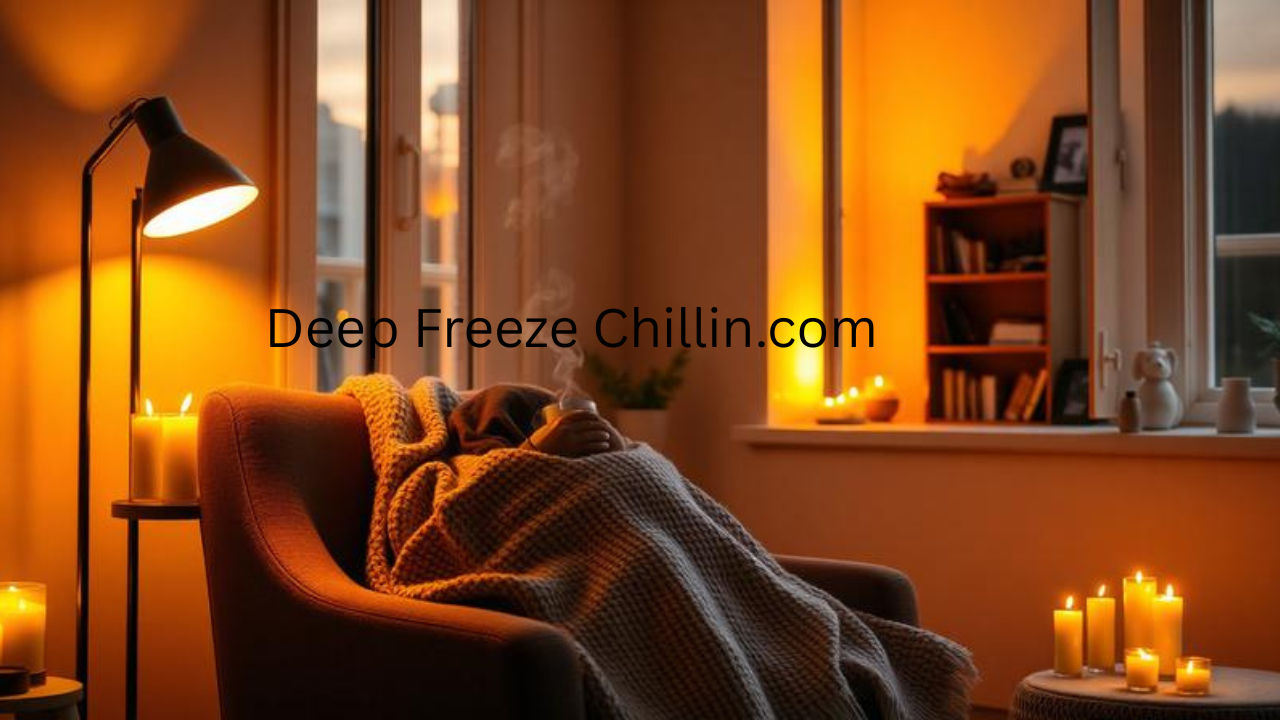
Picture this: soft candlelight flickering across the room, a warm blanket wrapped around your shoulders, the aroma of something comforting brewing in the kitchen, and the quiet contentment of simply being. That feeling—that deep sense of warmth, safety, and well-being—has a name. It’s called hygge.
But here’s the problem. Walk into any home decor store or scroll through social media, and you’d think hygge requires a small fortune. Designer candles at $40 a pop. Premium wool throws. Artisanal wooden trays. The message seems clear: comfort has a price tag.
Nothing could be further from the truth.
This article delivers a complete, budget-friendly roadmap to transforming your home into a hygge sanctuary—without draining your bank account. You’ll discover what hygge actually means (spoiler: it’s not about things), why it matters for your mental well-being, and ten actionable steps to create the cozy home you crave using what you already have, thrifted finds, and a few strategic, affordable purchases. No expensive makeovers required. Just simple, intentional shifts that make your home feel like a warm embrace.
What Is Hygge?
Before you can create a hygge home, you need to understand what hygge actually is—and perhaps more importantly, what it isn’t.
Hygge (pronounced “hoo-gah”) is a Danish and Norwegian word that describes a cozy, contented mood evoked by comfort and conviviality. It’s a quality of coziness that makes a person feel content and comfortable. But to reduce hygge to mere “coziness” misses the depth of what it truly represents.
In both Danish and Norwegian, hygge refers to “a form of everyday togetherness,” “a pleasant and highly valued everyday experience of safety, equality, personal wholeness and a spontaneous social flow”. It’s about taking time away from the daily rush to be together with people you care about—or even by yourself—to relax and enjoy life’s quieter pleasures.
Hyggia
The word itself has deep roots. It stems from hyggja, an Old Norse term meaning “to think,” and is related to hugr, which means “soul, mind, consciousness”. Some speculate it derives from hugge, meaning “to embrace”. The connection to warmth, comfort, and emotional safety runs through its very etymology.
Hygge first appeared in Danish writing in the 19th century and has since evolved into a core part of Danish cultural identity. It reflects values deeply embedded in Danish society: equality, the well-being of everybody, and a spirit of consensus. The cold, dark, and wet climate during long parts of the year encouraged Danes to spend time together indoors—and hygge became their way of fighting the darkness.
In essence, hygge means creating a warm atmosphere and enjoying the good things in life with good people. The warm glow of candlelight is hygge. Cosying up with a loved one for a movie—that’s hygge, too.
But here’s the crucial point: hygge is not about things. It’s a feeling, a mindset, a way of being. At its heart, hygge isn’t about buying more stuff. It’s about slowing down, creating comfort, and making the everyday feel a little more special. The moment you confuse hygge with consumption, you’ve missed the point entirely.
Why Hygge Matters—The Benefits
Why should you care about bringing hygge into your home? Beyond the obvious appeal of a cozy space, hygge offers profound benefits for your mental and emotional well-being.
Encourages Mindfulness
Hygge invites you to be fully present—to notice the warmth of the fire, the sound of laughter, the scent of coffee or crisp air. In a world that constantly pulls your attention in a dozen directions, this intentional presence is revolutionary. Staying present helps quiet racing thoughts and can reduce stress and anxiety. Hygge is about doing the simple, little things that make you grateful, content, and at peace.
Strengthens Social Connection
Sharing time with family or friends builds belonging. These social ties are essential for emotional well-being and help combat feelings of loneliness and isolation. Hygge is often about informal time together with family or close friends, with no agenda—just an opportunity to unwind and take things slow. In a time when genuine connection feels increasingly rare, hygge offers a path back to what matters.
Promotes Rest and Restoration
In nature, winter is a time of rest. Hygge reminds us to slow down, rest, and recharge. Practicing self-compassion in this way supports balance and can help prevent burnout. The concept of being present and grateful can lead to inspiration, better coping skills, and a greater sense of self. It’s a practice of caring for our mental and emotional well-being through intentional simplicity and presence.
Fosters Gratitude and Simplicity
Finding happiness in small comforts—a cozy blanket, a quiet moment, a warm drink—nurtures gratitude. Gratitude is shown to improve mood, resilience, and overall life satisfaction. The hygge lifestyle encourages cultivating gratitude for the simple joys in life, which has been associated with improved mental health, reduced stress, and a more positive outlook.
Reduces Anxiety and Stress
Research has linked the hygge lifestyle to reduced symptoms of anxiety and stress, increased feelings of self-worth and self-compassion, and a greater sense of mindfulness and gratitude. It’s also linked to reduced anxiety and overall improved mental health.
The bottom line? Hygge isn’t just a decor trend. It’s a proven pathway to better mental health, deeper relationships, and a more fulfilling life. And the best part? You don’t need money to experience any of these benefits.
Step-by-Step—10 Budget-Friendly Ways to Create Your Hygge Home
Now for the practical part. Here are ten actionable steps to transform your space into a hygge haven—all without spending a fortune.
1. Start With a Thorough Declutter
This is the most important—and most cost-effective—step you can take. Scandinavians believe in keeping only what’s essential, which not only creates a more visually pleasing space but also makes daily life simpler. A cluttered or disorganized environment can create feelings of stress and chaos, making it difficult to relax and enjoy a cozy atmosphere.
Go through your belongings and donate or repurpose items you no longer need. A tidy home instantly feels more peaceful and inviting. In a hygge home, everything has its place. Furnishings feature natural woods and fibers. Sightlines are uncluttered. This isn’t about minimalism for its own sake—it’s about creating space for what truly matters.
Budget impact: $0. This step costs nothing but yields immediate results.
2. Master the Art of Lighting
Lighting is arguably the single most important element of hygge. Single overhead lights kill hygge instantly. Instead, layer multiple light sources: floor lamps, table lamps, and candles throughout the room.
Swap out harsh overhead lights for soft, diffused lighting with warm bulbs. Anything above 3000K feels clinical and cold. Warm ambient lighting makes faces glow and rooms feel intimate.
String lights, salt lamps, lanterns, and budget-friendly LED candles all create that magical cozy glow. Place lights at different heights in your room to create layered ambiance—table lamps on nightstands, string lights along a headboard, or candles on windowsills.
Budget-friendly lighting ideas:
-
Battery-operated string lights (under $15)
-
Thrifted lamps with warm bulbs (under $20)
-
Simple tea lights in repurposed jars (under $10)
-
LED candles for safe, flameless glow (under $20 for a set)
Budget impact: $10–50. A small investment that transforms the entire feel of your space.
3. Layer Soft Textiles
Soft, layered textiles are a cornerstone of hygge design. Think plush throw blankets, knitted cushions, and cozy area rugs. Hygge thrives on touchable, inviting surfaces—throws you can sink into, cushions that beckon you to curl up.
Opt for neutral tones and natural textures like cotton, wool, or faux fur to keep things earthy and inviting. Mixing different textures—chunky knits with smooth cotton, soft fleece with woven wool—instantly makes your home feel snug and stylish.
Budget-friendly textile tips:
-
Check thrift stores for affordable throws and blankets
-
Look for budget-friendly stores like IKEA or Target for plush throws
-
Repurpose old sweaters into pillow covers
-
Layer what you already have before buying anything new
Budget impact: $20–60. A few strategic textile additions make a dramatic difference.
4. Bring Nature Indoors
Adding plants to your space brings life, color, and calm. And you don’t need to buy exotic or expensive varieties. Affordable options like pothos, spider plants, and succulents are easy to care for and visually grounding. Even faux plants can offer a similar vibe if you’re on a tight budget or lack natural light.
Beyond plants, bring the outdoors in with natural elements. Display winter branches in vases, gather pinecones for centerpieces, or arrange dried flowers. Found branches sourced from your backyard make a budget-friendly and sustainable decor accent.
Budget impact: $0–30. Foraged items are free; small plants are inexpensive.
5. Embrace a Neutral, Earthy Color Palette
A hygge home is grounded in calm, neutral colors. Think soft whites, warm beiges, muted grays, and earthy hues like olive green, terracotta, or mustard. These tones create an airy, open feel and provide a peaceful, harmonious base.
You don’t need to repaint your entire home. Start small: a few neutral-toned pillowcases, a beige throw, or switching out a bright rug for something more muted. If you’re renting or on a tight budget, focus on textiles and accessories rather than paint.
Budget impact: $0–40. Simple swaps in textiles make an immediate impact.
6. Create a Cozy Nook
Every hygge home has a cozy corner—a place to unwind with a book, a cup of tea, or simply to relax. You don’t need a lot of space—a comfy chair, a soft blanket, and warm lighting can turn any corner into a hygge sanctuary.
This could be a window seat, a reading nook, or a snug corner of the living room. Add thick cushions, soft throws, and good lighting. The goal is to create a designated space where you can truly unwind.
Budget impact: $0–50. Use furniture you already have and add a few cozy touches.
7. Shop Secondhand and Repurpose
One of the easiest ways to save money is by shopping at thrift stores, flea markets, or online marketplaces. You’ll find unique, character-filled pieces—from vintage lamps to rustic side tables—that add instant hygge charm.
Look for thrifted wooden pieces, rattan baskets, or vintage ceramic vases. Repurpose old mason jars into candle holders or use baskets as wall decor. Upcycled furniture with simple lines can be transformed with sanding and natural wax finishes.
Budget impact: $0–30 per piece. Thrifting yields unique finds at a fraction of retail cost.
8. Savor Small Rituals
Hygge is as much about what you do as what you have. Create simple daily rituals that bring comfort and joy. Light a candle during dinner or in the evening. Take a mindful moment to savor your morning coffee or tea. Enjoy a quiet evening unplugged.
Cook or bake something comforting. Share a meal with loved ones. The Danish concept of hygge often involves sharing a meal and wine or beer, or hot chocolate and a bowl of candy. There is no agenda. You celebrate the small joys of life.
Budget impact: $0. These rituals cost nothing but enrich everything.
9. Add Warmth Through Small Comforts
Sometimes the simplest things make the biggest difference. A warm drink in a favorite mug. Thick socks on a cold evening. The scent of something baking. These small comforts are the essence of hygge.
Fairy lights or string lights are a low-cost way to add warmth. Drape them across shelves or around a window. A soft throw blanket—cashmere-feel fleece works perfectly without breaking your budget. Hot chocolate, mulled wine, or a steaming cup of tea.
Budget impact: $0–20. Small indulgences that create big feelings of comfort.
10. Focus on Feeling, Not Stuff
This is the most important principle of all. Hygge isn’t a look; it’s a feeling. Creating hygge at home isn’t about perfection or spending a fortune. It’s about thoughtful layers—lighting, textures, and small spaces to unwind—that add comfort to your everyday life.
The real risk comes from overspending on lookalike pieces instead of investing in what improves day-to-day contentment. Simple changes—like rearranging furniture for connection—yield lasting comfort. Don’t get caught up in the consumer version of hygge. The authentic version is free.
Budget impact: $0. The most important step costs nothing.
Common Mistakes to Avoid
Creating a hygge home is simple, but it’s easy to go wrong. Here are the most common mistakes—and how to avoid them.
Mistake 1: Using Cold or Harsh Lighting
Bright, overhead lighting or harsh fluorescent lights can disrupt the cozy ambiance of a space. This is perhaps the most common hygge killer.
The fix: Switch to warm white bulbs (2700K or lower). Use multiple light sources: table lamps, candles, fairy lights. Avoid blue-toned or fluorescent lights. Remember: lighting sets the entire mood of a room.
Mistake 2: Overlooking Textures
Textures add warmth and interest but are often overlooked. A room full of smooth, hard surfaces feels cold and uninviting—the opposite of hygge.
The fix: Layer different textures throughout your space. Mix chunky knits with smooth wood, soft fleece with woven baskets. The goal is tactile diversity—surfaces that invite touch and create visual warmth.
Mistake 3: Cluttering the Space
A cluttered environment creates stress and chaos, making it difficult to relax. More stuff doesn’t mean more cozy—it often means the opposite.
The fix: Declutter ruthlessly. Keep only what you need and love. Every item should have a purpose or bring you joy. In a hygge home, everything has its place.
Mistake 4: Overusing White
All-white can feel sterile and lifeless rather than warm and inviting. While white is part of the Scandinavian aesthetic, too much of it kills the warmth that hygge requires.
The fix: Balance white with warm neutrals like cream, beige, and taupe. Add earthy tones like olive green or terracotta for depth. Layer in textures and natural materials to prevent sterility.
Mistake 5: Confusing Hygge With Shopping
This is the biggest trap of all. Hygge isn’t about buying candles, blankets, and mugs. It’s about a feeling, a mindset, a way of being.
The fix: Before buying anything, ask yourself: “Will this actually enhance my comfort and well-being, or am I just buying into a trend?” Focus on the feeling, not the stuff. Some of the most hygge moments cost nothing at all.
Mistake 6: Forgetting the Social Element
Hygge is often about togetherness. Creating a cozy home is wonderful, but hygge truly comes alive when shared with others.
The fix: Don’t just create a beautiful space—use it. Invite friends over for a simple meal. Enjoy a quiet evening with family. Share the warmth. Hygge is a meeting of equals, an opportunity to unwind and take things slow together.
Frequently Asked Questions
1. What exactly does hygge mean?
Hygge (pronounced “hoo-gah”) is a Danish word that describes a cozy, contented mood evoked by comfort and conviviality. In essence, it means creating a warm atmosphere and enjoying the good things in life with good people. It’s a feeling of being warm, safe, and sheltered that is both psychological and physical. While often translated as “coziness,” hygge encompasses much more—it’s about togetherness, presence, and finding joy in life’s simple pleasures.
2. Can I create a hygge home on a very tight budget?
Absolutely. Hygge is not about spending money. Some of the most effective hygge elements—decluttering, rearranging furniture, creating cozy rituals—cost nothing at all. Focus on lighting, rearranging furniture, and layering affordable textures rather than expensive accessories. Thrift stores, secondhand markets, and DIY projects offer endless opportunities to create hygge without breaking the bank. Simple changes like a fresh arrangement of furniture, warm lighting from thrifted lamps, and foraged natural elements can transform your space for under $50.
3. Does hygge decor work in small apartments?
Yes, hygge works beautifully in small spaces. In fact, smaller spaces can feel even cozier and more intimate—qualities at the heart of hygge. Focus on soft lighting, layered textures, and creating a cozy nook with a comfortable chair and warm throw. Decluttering is especially important in small spaces to prevent chaos. Even a tiny corner can become a hygge sanctuary.
4. What are the essential elements of hygge decor?
The key elements include cozy textiles (throws, cushions, rugs), soft lighting (lamps, candles, fairy lights), natural materials (wood, wool, cotton), and a neutral, earthy color palette. But remember: the most essential element isn’t a thing at all. It’s the feeling of warmth, safety, and contentment that these elements help create. A hygge home is one that feels nurturing, soothing, and lived-in.
5. Can hygge be practiced alone?
Absolutely. While hygge is often about togetherness, it can also be enjoyed alone. Curling up with a good book, enjoying a quiet cup of tea, or simply taking a moment to relax and breathe—all of these are hygge. The key is taking time away from the daily rush to relax and enjoy life’s quieter pleasures. Whether alone or with loved ones, hygge is about presence, comfort, and intentional simplicity.
Conclusion
Hygge isn’t a shopping list. It isn’t a decor trend you can buy your way into. It’s a feeling—a warm, safe, contented sense of being that comes from slowing down, simplifying, and savoring life’s quiet pleasures.
Creating a hygge home on a budget isn’t just possible—it’s actually more authentic. When you focus on what you already have, on simple rituals, on the warmth of connection rather than the price tag of candles, you tap into the true essence of hygge. Declutter your space. Layer soft lighting and textures. Bring nature indoors. Create a cozy corner. Savor small rituals. These steps cost little but transform everything.
The Danish have long understood that comfort isn’t measured in dollars. It’s measured in moments—the flicker of candlelight, the weight of a warm blanket, the sound of laughter shared with someone you love. Your hygge home is waiting. It doesn’t require a renovation or a shopping spree. It requires only intention, presence, and the willingness to embrace the beautiful simplicity of being.
Start today. Light a candle. Wrap yourself in a blanket. Take a deep breath. Welcome home.
Want to continue your cozy journey? Check out our article on [10 Simple Mindfulness Practices for a Calmer Home] and discover more ways to bring peace and presence into your daily life. Don’t forget to subscribe to our newsletter for weekly tips on creating a home that nurtures your well-being—without the overwhelm.