
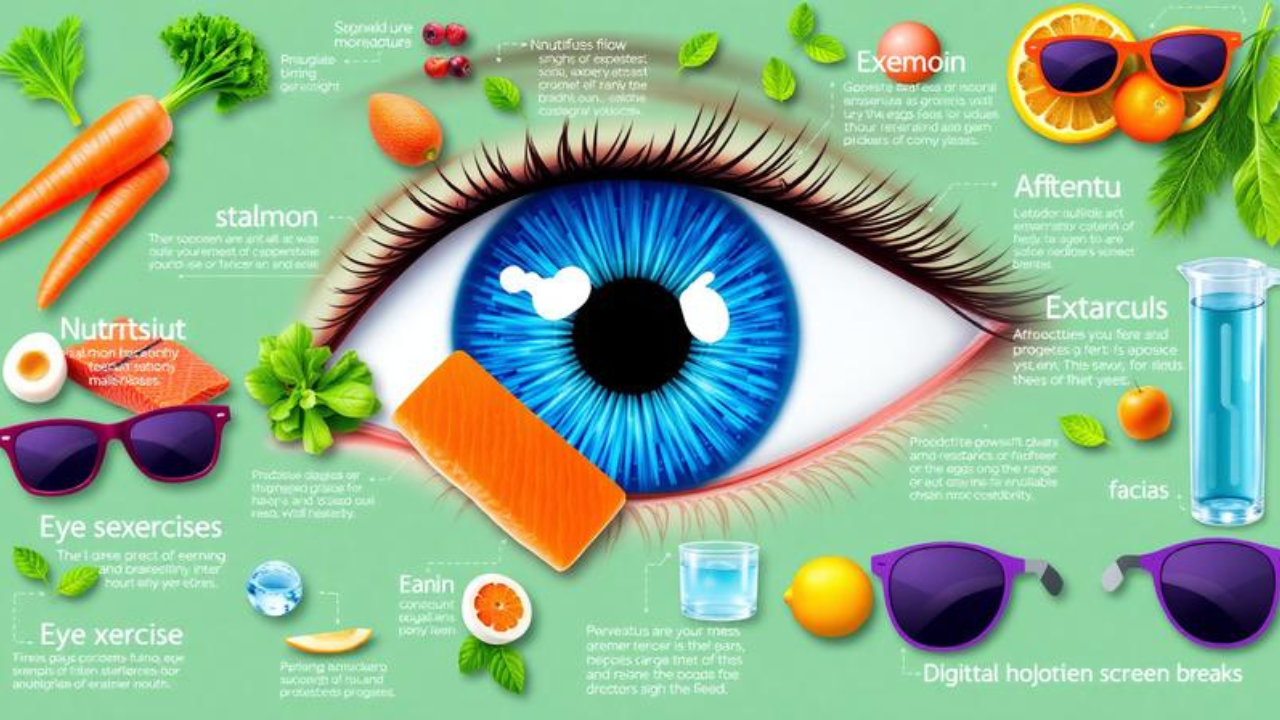
Good eyesight plays a vital role in our daily lives. Whether you’re reading, driving, working on a computer, or enjoying outdoor activities, healthy vision helps you perform tasks efficiently and comfortably. However, many people experience eye strain, blurry vision, dryness, or declining eyesight due to modern lifestyles that involve excessive screen time, poor nutrition, and lack of proper eye care.
While some vision problems require medical treatment, there are several natural ways to support eye health and maintain better vision over time. By adopting healthy habits and providing your eyes with the nutrients and care they need, you can reduce strain, protect your vision, and promote long-term eye wellness.
In this guide, you’ll discover eight proven methods that can help improve eyesight naturally and keep your eyes healthy for years to come.
Understanding Eye Health
Before exploring natural methods, it’s important to understand that eyesight can be influenced by several factors, including:
- Age
- Genetics
- Nutrition
- Lifestyle habits
- Environmental conditions
- Existing medical conditions
Natural approaches may not eliminate the need for glasses or cure serious eye diseases, but they can significantly contribute to healthier vision and reduce the risk of future problems.
1. Eat Foods That Support Eye Health
Nutrition is one of the most effective ways to maintain healthy eyesight.
Your eyes require specific vitamins and minerals to function properly. A nutrient-rich diet can help protect against age-related vision issues and support overall eye function.
Best Nutrients for Healthy Eyes
Vitamin A
Vitamin A supports the retina and helps maintain clear vision, especially in low-light conditions.
Sources include:
- Carrots
- Sweet potatoes
- Spinach
- Kale
- Pumpkin
Lutein and Zeaxanthin
These powerful antioxidants help filter harmful blue light and protect eye tissues.
Good sources include:
- Leafy greens
- Broccoli
- Peas
- Corn
- Eggs
Omega-3 Fatty Acids
Omega-3s help support retinal health and reduce dry eye symptoms.
Sources include:
- Salmon
- Sardines
- Tuna
- Chia seeds
- Flaxseeds
Vitamin C and Vitamin E
These antioxidants help combat oxidative stress that may contribute to eye aging.
Sources include:
- Citrus fruits
- Strawberries
- Almonds
- Sunflower seeds
- Bell peppers
A balanced diet rich in these nutrients can significantly contribute to long-term visual health.
2. Follow the 20-20-20 Rule
One of the biggest threats to eye comfort today is prolonged screen exposure.
Whether you’re working, studying, or browsing social media, staring at screens for extended periods can cause digital eye strain.
Common symptoms include:
- Blurry vision
- Dry eyes
- Headaches
- Eye fatigue
- Difficulty focusing
What Is the 20-20-20 Rule?
Every 20 minutes:
- Look away from your screen
- Focus on an object 20 feet away
- Do so for at least 20 seconds
This simple technique helps relax eye muscles and reduces fatigue throughout the day.
3. Stay Properly Hydrated
Many people don’t realize that dehydration can affect eye health.
When your body lacks sufficient fluids, your eyes may not produce enough tears to stay lubricated.
Signs of dehydration-related eye discomfort include:
- Dry eyes
- Irritation
- Redness
- Burning sensations
Tips to Stay Hydrated
- Drink water consistently throughout the day
- Increase water intake during hot weather
- Limit excessive caffeine consumption
- Eat water-rich fruits and vegetables
Proper hydration supports tear production and overall eye comfort.
4. Protect Your Eyes from UV Damage
Excessive exposure to ultraviolet (UV) rays can damage eye tissues over time.
Long-term UV exposure has been linked to several eye conditions, including:
- Cataracts
- Macular degeneration
- Photokeratitis
- Eye surface damage
How to Protect Your Eyes
- Wear sunglasses that block 100% of UVA and UVB rays
- Use wide-brimmed hats outdoors
- Avoid prolonged exposure during peak sunlight hours
Protecting your eyes from UV radiation is one of the simplest ways to preserve vision for the future.
5. Get Enough Quality Sleep
Sleep is essential for eye recovery and overall health.
During sleep, your eyes receive the rest and nourishment needed to repair daily strain.
Effects of Poor Sleep on Vision
Insufficient sleep may cause:
- Eye twitching
- Dry eyes
- Blurry vision
- Increased eye strain
- Redness
Tips for Better Sleep
- Maintain a consistent bedtime
- Limit screen use before bed
- Create a dark sleeping environment
- Aim for 7–9 hours of sleep nightly
Healthy sleep habits support optimal visual performance and comfort.
6. Perform Eye Exercises
While eye exercises won’t cure refractive errors such as nearsightedness or farsightedness, they may help reduce eye strain and improve focus flexibility.
Simple Eye Exercises
Focus Shifting Exercise
- Hold your thumb about 10 inches away.
- Focus on your thumb for several seconds.
- Shift focus to a distant object.
- Repeat multiple times.
Figure-Eight Exercise
Imagine a large figure eight on the floor.
- Trace the shape slowly with your eyes.
- Reverse directions after several repetitions.
Blinking Exercise
Many people blink less while using digital devices.
Conscious blinking helps:
- Lubricate eyes
- Reduce dryness
- Improve comfort
Regular eye exercises can help relieve tension and improve eye coordination.
7. Maintain a Healthy Lifestyle
Your overall health directly impacts your vision.
Certain lifestyle choices can increase the risk of eye problems and vision loss.
Manage Blood Sugar Levels
People with uncontrolled diabetes face a higher risk of vision complications.
Maintaining healthy blood sugar levels supports eye health and reduces the risk of retinal damage.
Exercise Regularly
Physical activity promotes healthy blood circulation, including blood flow to the eyes.
Benefits include:
- Better oxygen delivery
- Reduced inflammation
- Improved cardiovascular health
Avoid Smoking
Smoking significantly increases the risk of:
- Cataracts
- Macular degeneration
- Optic nerve damage
Quitting smoking is one of the most effective ways to protect your eyesight.
8. Schedule Regular Eye Examinations
Even if your vision seems normal, routine eye exams remain essential.
Many eye diseases develop gradually without noticeable symptoms during their early stages.
Regular eye examinations can help detect:
- Glaucoma
- Cataracts
- Macular degeneration
- Diabetic eye disease
- Refractive errors
Benefits of Early Detection
Early diagnosis often leads to:
- Better treatment outcomes
- Slower disease progression
- Reduced risk of permanent vision loss
Eye exams are a critical part of maintaining healthy eyesight throughout life.
Common Habits That May Harm Your Eyes
In addition to following healthy practices, avoid habits that may negatively impact vision.
Excessive Screen Time
Limit unnecessary screen exposure and take regular breaks.
Poor Lighting
Reading or working in dim lighting may increase eye strain.
Rubbing Your Eyes Frequently
This can introduce bacteria and irritate sensitive eye tissues.
Ignoring Eye Symptoms
Persistent vision changes should never be ignored.
Seek professional medical advice if symptoms continue or worsen.
Can Eyesight Really Improve Naturally?
Many people wonder whether eyesight can improve naturally without glasses or surgery.
The answer depends on the underlying cause of vision problems.
Natural methods can help:
- Reduce eye strain
- Improve eye comfort
- Support eye health
- Slow age-related vision decline
- Protect against future damage
However, they typically cannot reverse structural vision conditions such as severe nearsightedness, astigmatism, or cataracts.
The goal of natural eye care should be maintaining healthy vision and preventing further deterioration.
Frequently Asked Questions
What foods improve eyesight the most?
Foods rich in vitamin A, lutein, zeaxanthin, omega-3 fatty acids, vitamin C, and vitamin E are among the best choices for supporting eye health.
Can eye exercises improve vision?
Eye exercises may reduce strain and improve focusing ability, but they do not usually correct refractive errors such as myopia or hyperopia.
Does screen time damage eyesight permanently?
Excessive screen use generally causes temporary eye strain rather than permanent damage. However, prolonged strain can affect comfort and productivity.
How often should I have an eye exam?
Most adults should schedule comprehensive eye exams every one to two years, though recommendations vary based on age and medical history.
Final Thoughts
Learning how to improve eyesight naturally starts with adopting healthy daily habits. Eating nutrient-rich foods, protecting your eyes from UV rays, staying hydrated, getting adequate sleep, reducing screen strain, and scheduling regular eye exams can all contribute to stronger eye health and better vision over time.
While natural methods may not eliminate every vision problem, they provide a powerful foundation for maintaining healthy eyesight and reducing the risk of future complications.
Take the Next Step
Which of these eye-care habits are you already practicing? Start by choosing one or two methods today and gradually incorporate the rest into your routine. If you found this guide helpful, share it with friends and family so they can protect their vision and enjoy healthier eyes for years to come.