
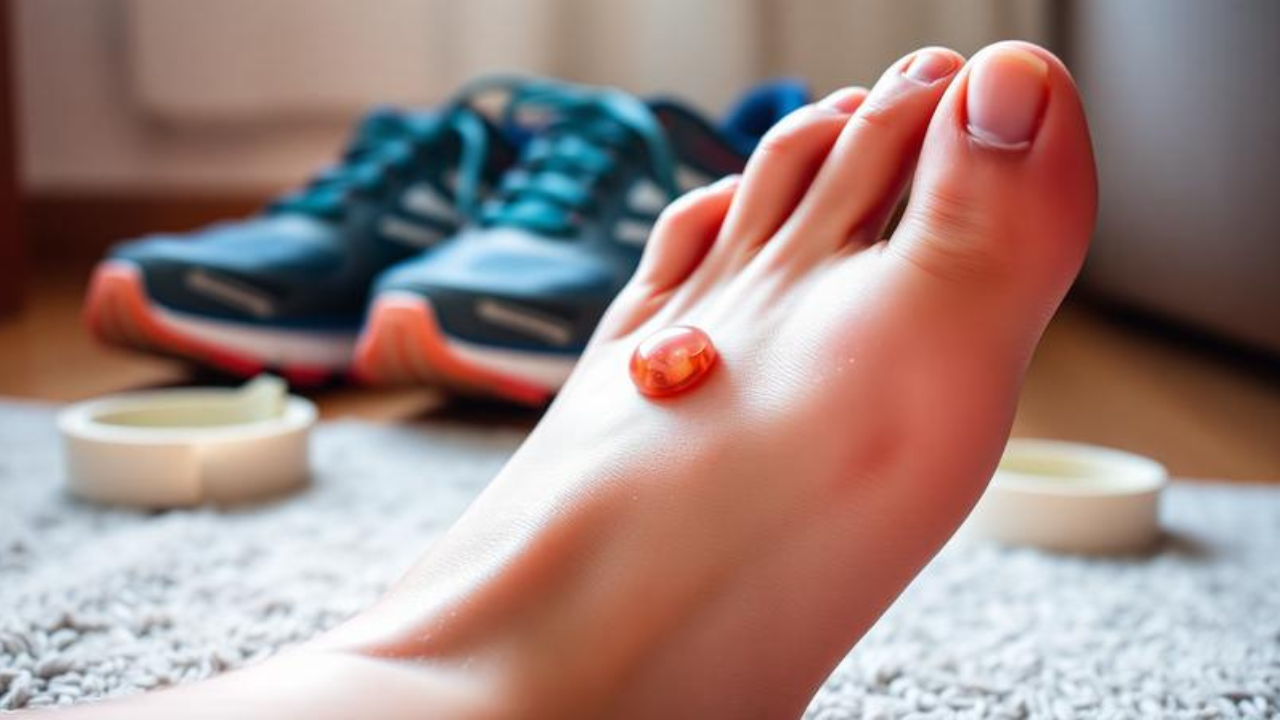
That familiar pinch, rub, or burn. You take off your shoe to find a small, fluid-filled bubble on your toe. Suddenly, every step becomes a reminder that even the smallest skin injury can disrupt your entire day. A blister on toe is more than a minor annoyance—it can stop runners in their tracks, make a new pair of hiking boots feel like torture devices, and turn a casual stroll into a limping ordeal.
If you’ve ever wondered why these painful bubbles appear, how to heal them quickly, or—better yet—how to prevent them altogether, you’ve come to the right place. This guide covers everything from basic first aid to long-term prevention strategies. Let’s get you back on your feet, pain-free.
What Exactly Is a Blister on a Toe?
A blister is a small pocket of fluid that forms between the upper layers of skin. Your body creates it as a protective response. When the skin on your toe experiences repeated friction, pressure, or heat, the outer layer separates from the layers beneath. That space fills with serum—a clear, sterile fluid that cushions the tissue and allows it to heal without further damage.
In some cases, the fluid may be blood (a blood blister) if tiny blood vessels rupture. While blisters can appear anywhere on the body, the toes are especially vulnerable. They’re constantly in motion, squeezed inside shoes, and pressed against socks and insoles with every step you take.
Most blisters heal on their own within a few days. However, if not cared for properly, a simple blister on toe can become infected, burst painfully, or lead to complications—especially for people with diabetes or poor circulation.
Common Causes of Blisters on Toes
Understanding why blisters form is the first step to preventing them. Here are the most frequent culprits:
Friction and Repetitive Motion
This is the number one cause. When your toe rubs against your shoe, sock, or another toe, the constant back-and-forth motion generates heat and shear force. Over time, the skin layers separate and fill with fluid. Activities like running, hiking, dancing, or even walking long distances on hard surfaces are typical triggers.
Ill-Fitting Footwear
Shoes that are too tight squeeze your toes together, creating pressure points. Shoes that are too loose allow your foot to slide around, increasing friction. Both scenarios are blister factories. High heels, narrow dress shoes, stiff leather boots, and even worn-out sneakers with broken-down cushioning can all cause trouble.
Moisture and Sweat
Wet skin is softer, stickier, and more prone to tearing. Sweaty feet, rain-soaked socks, or shoes that don’t breathe create a humid environment inside your footwear. That moisture dramatically lowers the skin’s resistance to friction. Many long-distance runners experience “trench foot” blisters after hours of damp conditions.
Heat and Burns
A thermal blister on toe can result from direct contact with a hot surface (like sand on a summer beach), sunburn, or a chemical burn. These blisters look similar to friction blisters but require slightly different care.
Allergic Reactions or Skin Conditions
In rare cases, blisters stem from contact dermatitis (reaction to shoe materials, dyes, or sock detergents) or conditions like dyshidrotic eczema, which causes clusters of tiny, itchy blisters on the toes and fingers.
Different Types of Toe Blisters (And How to Spot Them)
Not all blisters are the same. Recognizing the type helps you choose the right treatment.
| Type | Appearance | Common Cause |
|---|---|---|
| Friction blister | Clear fluid, raised, tender | Rubbing from shoes/socks |
| Blood blister | Dark red or purple fluid, flatter | Pinching or crushing injury |
| Heat blister | Clear fluid, surrounded by red skin | Burn or sunburn |
| Eczema blister | Tiny clusters, very itchy, may be clear | Dyshidrotic eczema |
| Infected blister | Yellow/green pus, red swelling, warm to touch | Bacteria entering broken skin |
If your blister on toe looks like the last category—with pus, spreading redness, or increasing pain—seek medical attention promptly.
How to Treat a Blister on Your Toe (Step-by-Step)
Most toe blisters can be managed at home. The goal is simple: protect the roof of the blister (the top skin), prevent infection, and reduce pain. Here’s a proven routine.
Step 1: Leave It Intact If Possible
A intact blister heals fastest. The fluid inside is sterile and acts as a natural bandage. Do not pop it. Cover the blister with a padded bandage or a donut-shaped moleskin pad that relieves pressure from the center. Change the dressing daily.
Step 2: When Draining Is Necessary
Sometimes a blister is so large, painful, or positioned that it will inevitably burst on its own. In those cases, sterile drainage can relieve pressure. Only do this if you have no underlying health conditions (like diabetes) and can maintain strict cleanliness.
-
Wash the area and your hands with soap and water.
-
Swab the blister with rubbing alcohol or iodine.
-
Sterilize a needle (flame until red, then cool).
-
Puncture the blister at its edge, not through the top.
-
Gently press out the fluid. Leave the roof skin intact.
-
Apply antibiotic ointment and cover with a sterile bandage.
Step 3: Clean and Protect Daily
Remove the bandage each day. Wash the blister gently with mild soap and water. Pat dry. Apply a fresh layer of antibiotic ointment (or petroleum jelly) and a new dressing. Watch for signs of infection.
Step 4: Let It Breathe at Night
When you’re home and off your feet, remove the bandage and expose the blister to air. This helps it dry out and harden. A callus will eventually form, and the top layer will peel off naturally.
Step 5: Manage Pain
Over-the-counter pain relievers like ibuprofen or acetaminophen can reduce discomfort. Padding the toe with soft felt or gel toe sleeves also takes pressure off the sore spot inside your shoes.
What NOT to Do When You Have a Toe Blister
Avoid these common mistakes—they can turn a minor blister into a major problem.
-
Don’t peel off the skin. Even if the blister has burst, leave the loose skin in place. It’s your best defense against bacteria.
-
Don’t ignore redness spreading. If redness extends more than an inch from the blister or you see red streaks, that’s cellulitis—a serious infection.
-
Don’t apply harsh antiseptics like hydrogen peroxide repeatedly. They can damage new tissue. Stick to mild soap or saline.
-
Don’t wear the same shoes again without fixing the issue. You’ll just re-injure the same spot.
-
Don’t use a “blister plaster” on an already infected blister. Some hydrocolloid bandages can trap bacteria inside.
Preventing Blisters on Toes: Proven Strategies That Work
Why treat a blister on toe when you can stop it before it starts? Incorporate these habits into your daily routine, especially if you’re active.
Choose the Right Footwear
-
Shop for shoes in the afternoon when your feet are slightly swollen.
-
Allow a thumb’s width of space between your longest toe and the shoe’s end.
-
Break in new shoes gradually—wear them for an hour at a time around the house first.
-
Avoid seams or stitching that rub directly against your toes.
Upgrade Your Socks
Socks are your first line of defense.
-
Material matters: Merino wool and synthetic blends (Coolmax, polypropylene) wick moisture away from the skin. Cotton retains sweat.
-
Double-layer socks reduce friction by letting the layers rub against each other instead of your skin.
-
Seamless toe socks prevent blister between toes (a common trouble spot).
-
Change socks mid-activity if your feet get wet or sweaty.
Use Anti-Friction Products
-
Skin lubricants like Body Glide, Vaseline, or sports balm reduce friction before it starts. Apply to blister-prone areas before putting on socks.
-
Moleskin or kinesiology tape can be cut into small patches and applied to high-risk spots. This works especially well for runners and hikers.
-
Powders (talcum or antifungal) keep feet dry, but use sparingly—too much can cake and increase friction.
Condition Your Feet
-
Toughen your skin gradually. If you’re starting a new walking or running routine, increase distance slowly to build callus where needed.
-
Avoid soaking your feet for long periods before activity—pruned skin is weaker skin.
Address Toe Alignment Issues
If you have a hammer toe, overlapping toes, or a bunion, those deformities create natural friction points. Toe separators, silicone toe caps, or custom orthotics can realign and cushion the area.
When Should You See a Doctor?
Most blisters on toes resolve without medical intervention. However, certain situations warrant a professional evaluation.
-
Signs of infection: Increased pain, swelling, redness, warmth, pus, or red streaks heading up your foot or leg.
-
No healing after two weeks of proper home care.
-
Fever or chills accompanying a blister.
-
Frequent blister outbreaks for no obvious reason (could indicate a skin disorder or nutritional deficiency).
-
You have diabetes, peripheral artery disease, or a weakened immune system. In these cases, even a tiny blister can lead to a non-healing ulcer or serious infection. Never drain your own blister—see a podiatrist immediately.
A podiatrist can drain a blister safely, prescribe antibiotics if needed, and identify underlying biomechanical issues like gait abnormalities that cause recurrent blisters.
Frequently Asked Questions About Toe Blisters
Q: Should I pop a blister on my toe?
A: Almost never. Popping increases infection risk and slows healing. Only drain under sterile conditions if the blister is very large, extremely painful, or in a spot where it will inevitably burst anyway.
Q: Can I run or walk with a blister?
A: It depends on the pain level. If you can pad it so that it doesn’t rub, light activity is fine. But intense training will likely tear the blister open. Take rest days to let it heal, or switch to low-impact exercise like swimming.
Q: How long does a toe blister take to heal?
A: Unopened friction blisters heal in 3–7 days. Drained blisters take about the same, but the skin will remain tender until the roof hardens. Blood blisters may take up to two weeks.
Q: Why do I keep getting blisters between my toes?
A: That’s often due to “toe-on-toe” friction. Try toe socks, silicone toe sleeves, or a small dab of lubricant between the toes. Also check if your shoes are too narrow.
Q: What’s the best bandage for a toe blister?
A: Hydrocolloid blister plasters (like Compeed) work well for intact blisters. They cushion, absorb fluid, and stay on for days. For open or infected blisters, use sterile gauze and tape—and change it daily.
Final Thoughts: Small Steps, Big Relief
A blister on toe might seem trivial, but anyone who has limped through a day with one knows better. The good news is that you have enormous control over whether these painful bubbles form. By choosing well-fitted shoes, moisture-wicking socks, and a few simple anti-friction habits, you can dramatically reduce your risk. And when a blister does appear, gentle care—not popping, not ignoring—is the fastest path to healing.
Now it’s your turn. Have a go-to trick for preventing toe blisters during long runs or hikes? Or a question that wasn’t answered here? Drop your experience in the comments below—your advice might help another reader take their next step without wincing. And if you’re dealing with a blister that looks infected or won’t heal, don’t wait. Make an appointment with a podiatrist today. Your feet carry you through life. They deserve that much.