
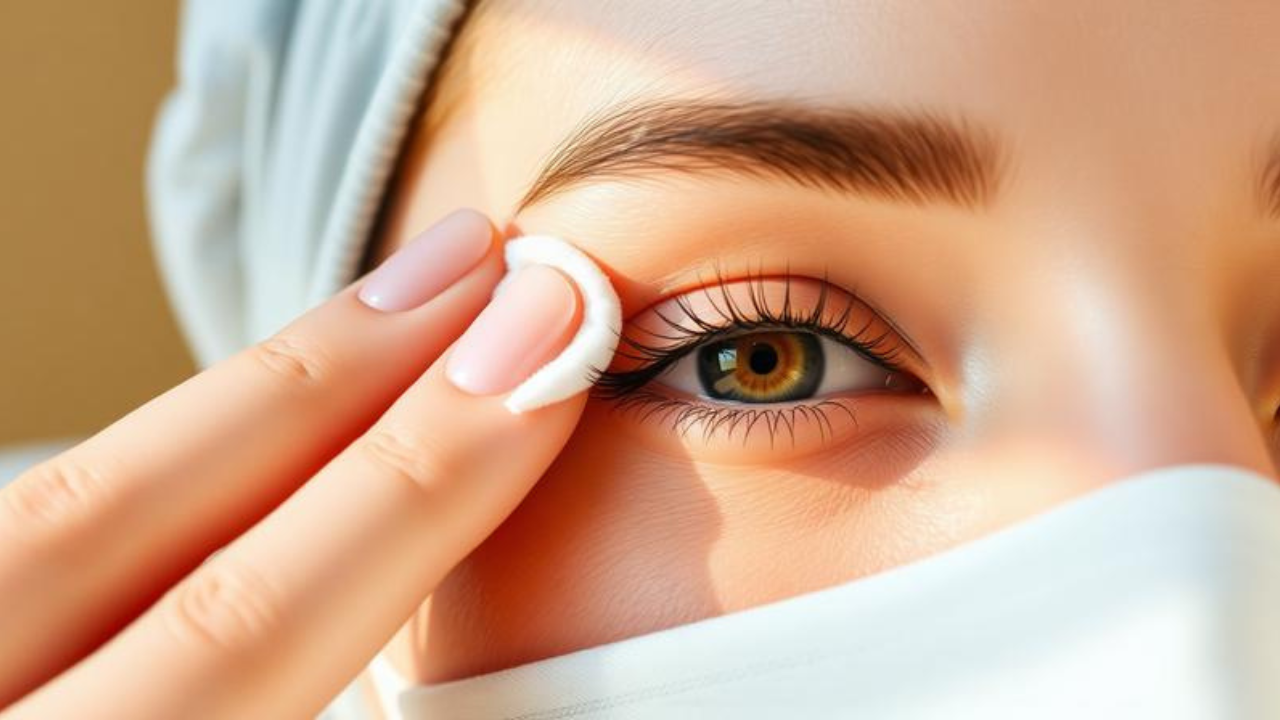
That painful, red bump that suddenly appeared on your eyelid can be alarming. You might find yourself wondering: Can I give this to my family? Do I need to stay home from work? Is this going to spread to my other eye?
If you’re dealing with a stye, these questions are completely natural. The good news is that styes are generally not contagious in the way you might fear. You don’t need to isolate yourself or worry about passing it to others through casual contact.
This comprehensive guide will give you everything you need to know about styes—what they are, whether they’re contagious, how to treat them, and most importantly, how to prevent them from coming back. By the end, you’ll have a clear understanding of this common eye condition and feel confident managing it.
What Is a Stye?
A stye (medically known as a hordeolum) is a red, painful lump that forms on the edge of your eyelid, resembling a pimple or boil. It typically develops when an oil gland in the eyelid or an eyelash follicle becomes blocked and infected.
Types of Styes
There are two main types of styes:
| Type | Location | Cause |
|---|---|---|
| External stye (external hordeolum) | Forms on the outside edge of the eyelid | Infection in an eyelash follicle or sweat gland |
| Internal stye (internal hordeolum) | Forms on the inner side of the eyelid | Infection in an oil-producing (meibomian) gland |
Common Symptoms
If you have a stye, you may experience:
-
A red, tender lump on the eyelid
-
Pain and swelling of the affected eyelid
-
A gritty or scratchy sensation in the eye
-
Tearing or watery eyes
-
Sensitivity to light
-
A yellowish spot of pus in the center of the bump
-
Crustiness along the edge of the eyelid
What Causes a Stye?
The vast majority of styes are caused by Staphylococcus aureus bacteria—the same bacteria that commonly live on your skin and in your nose without causing any problems.
A stye develops when these bacteria enter a blocked oil gland or hair follicle. This can happen when you:
-
Touch your eyes with unwashed hands
-
Leave eye makeup on overnight
-
Use old, expired, or contaminated cosmetics
-
Insert contact lenses without properly washing your hands or disinfecting the lenses
-
Have an underlying condition like blepharitis (chronic eyelid inflammation) or rosacea
Stye vs. Chalazion: What’s the Difference?
Many people confuse styes with chalazia, but they’re different conditions:
| Feature | Stye | Chalazion |
|---|---|---|
| Cause | Bacterial infection of a gland or follicle | Blocked (but not infected) oil gland |
| Pain | Usually painful | Typically painless |
| Onset | Develops quickly (over days) | Develops slowly (over weeks or months) |
| Location | Near the edge of the eyelid | Often further back on the eyelid |
A chalazion can sometimes develop from an internal stye that doesn’t drain properly.
Are Styes Contagious? The Straight Answer
Here’s the direct answer: Styes are generally NOT contagious from person to person.
Unlike a cold or the flu, you cannot catch a stye through casual contact like shaking hands, hugging, or simply being near someone who has one. Styes are not spread through the air, breath, or saliva.
Why Styes Aren’t Usually Contagious
The reason styes aren’t typically contagious comes down to biology:
-
The bacteria already live on your skin — Staphylococcus aureus is naturally present on most people’s skin and in their noses. You don’t need to catch it from someone else because you already have it.
-
Styes are “self-initiated” — A stye develops when your own bacteria get trapped in a blocked gland. It’s not an infection you acquire from another person.
-
It’s a localized issue — The infection is confined to a single blocked gland and doesn’t circulate in a way that makes it easily transmissible.
When Could a Stye Be Contagious?
While styes aren’t contagious in the usual sense, there is a rare exception. The bacteria that cause a stye can potentially be transmitted through:
-
Direct contact with the infected eye, followed by touching someone else’s eye
-
Sharing contaminated items like towels, washcloths, pillowcases, or eye makeup
Additionally, when a stye drains pus, that pus contains bacteria. During this brief drainage period, the bacteria could potentially be spread to others if proper hygiene isn’t followed.
However, even in these scenarios, transmission is rare and requires direct transfer of bacteria. The risk is low enough that you don’t need to worry about everyday interactions.
How Long Is a Stye Contagious?
Since styes aren’t typically contagious, there’s no specific “contagious period” to worry about. If a stye is draining pus, the drainage period is usually brief, and practicing good hygiene during this time is sufficient.
Most styes heal on their own within 7 to 14 days. They typically come to a head and drain after about 3 days, then heal within a week.
Why This Matters: Benefits of Understanding Stye Contagiousness
Knowing the truth about whether styes are contagious offers several important benefits:
1. Peace of Mind
You don’t need to worry about passing a stye to your family, coworkers, or friends. You can continue your normal daily activities without isolating yourself. This reduces unnecessary stress during a time when you’re already dealing with an uncomfortable eye condition.
2. Better Hygiene Practices
Understanding that styes are caused by your own bacteria helps you focus on the right prevention strategies—mainly, keeping your hands clean and avoiding behaviors that introduce bacteria into your eye area.
3. Appropriate Treatment Focus
Knowing that styes aren’t contagious means you can focus on treating the stye itself rather than worrying about containing a contagious disease. This leads to faster, more effective care.
4. Prevention of Recurrence
Understanding the root cause of styes helps you identify and address the habits that put you at risk. This is especially valuable if you experience recurrent styes.
Step-by-Step Guide: How to Treat and Prevent Styes
How to Treat a Stye at Home
Most styes resolve on their own without medical intervention. Here’s what you should do:
Step 1: Apply warm compresses
-
Soak a clean washcloth in warm (not hot) water
-
Wring it out and hold it against your closed eyelid
-
Keep it there for 5 to 15 minutes
-
Repeat this 3 to 5 times a day
The warmth helps liquefy the oil in the blocked gland, promoting natural drainage and speeding up healing.
Step 2: Gently massage the area
After applying the warm compress, gently massage the eyelid with a clean finger to help the gland clear itself. Be very gentle—don’t press hard.
Step 3: Keep the area clean
-
Wash your face regularly
-
Gently clean your eyelids and eyelashes, especially if you have blepharitis
-
Use diluted baby shampoo or special eye-scrub soap on a clean washcloth
Step 4: Take pain relief if needed
Over-the-counter pain relievers like paracetamol or ibuprofen can help manage discomfort.
Step 5: Be patient
A stye typically heals within one to two weeks. With warm compresses and proper hygiene, you can speed up the process.
What NOT to Do
Never try to pop, squeeze, or burst a stye. This can:
-
Spread the infection to other parts of your eyelid or eye
-
Make the stye worse
-
Cause the infection to spread to surrounding tissues
Also avoid:
-
Wearing eye makeup until the stye has healed
-
Wearing contact lenses until the stye has resolved
-
Sharing towels or face cloths with others while you have a stye
When to See a Doctor
While most styes are harmless and resolve on their own, you should contact a healthcare provider if:
-
The stye doesn’t start to improve after 48 hours
-
The stye is very painful or causes significant swelling
-
Redness and swelling involve the entire eyelid or extend into your cheek or other parts of your face
-
The stye affects your vision
-
The stye doesn’t get better within a few weeks
-
You develop multiple styes or they keep coming back
-
Your eye swells shut
A doctor may prescribe antibiotic ointment, oral antibiotics, or in some cases, lance and drain the stye with a sterilized needle.
How to Prevent Styes
Prevention is the best medicine. Here are the most effective ways to reduce your risk of developing styes:
1. Wash your hands frequently
-
Use soap and warm water or alcohol-based hand sanitizer
-
Wash before touching your eyes, applying makeup, or handling contact lenses
-
Keep your hands away from your eyes as much as possible
2. Practice good eyelid hygiene
-
Clean your eyelids daily with diluted baby shampoo or eye-scrub soap
-
Gently wash the base of your eyelashes
3. Take care with eye makeup
-
Remove all eye makeup before going to bed
-
Replace eye makeup every six months
-
Replace mascara every two to three months
-
Never share eye makeup with others
-
Throw away old or expired cosmetics
4. Maintain proper contact lens hygiene
-
Always wash your hands before handling contact lenses
-
Disinfect contact lenses properly according to product instructions
-
Replace contact lens solution regularly
5. Use warm compresses regularly
-
If you’ve had styes before, using a warm compress regularly may help prevent them from coming back
6. Manage underlying conditions
-
If you have blepharitis or rosacea, follow your doctor’s instructions for managing these conditions
Common Mistakes to Avoid
Mistake #1: Assuming You “Caught” a Stye from Someone Else
Many people worry they caught a stye from a family member or coworker. Remember: styes come from your own bacteria, not from other people. You didn’t “catch” it, and you’re not going to “give” it to others through normal contact.
Mistake #2: Trying to Pop the Stye
This is the most common—and potentially harmful—mistake. Popping a stye can spread the infection to surrounding tissues and make the problem much worse. Let it drain naturally.
Mistake #3: Stopping Makeup Removal
Some people continue wearing eye makeup while they have a stye. This can introduce more bacteria and delay healing. Skip eye makeup entirely until the stye has completely healed.
Mistake #4: Continuing to Wear Contact Lenses
Wearing contact lenses with a stye can irritate the eye further and potentially introduce more bacteria. Switch to glasses until the stye has resolved.
Mistake #5: Sharing Personal Items
While styes aren’t highly contagious, sharing towels, washcloths, or pillowcases with someone who has a stye carries a small risk of bacterial transfer. Use your own personal items.
Mistake #6: Ignoring Recurring Styes
If you keep getting styes, don’t just treat each one individually and move on. Recurring styes may indicate an underlying issue like blepharitis that needs to be addressed. Talk to your doctor about long-term prevention strategies.
Frequently Asked Questions
1. Can I go to work or school with a stye?
Yes. Styes are not contagious through casual contact, so you don’t need to stay home from work or school. Just practice good hygiene—wash your hands regularly and avoid touching your eye. The only exception might be if your job involves close physical contact with others’ faces (like a makeup artist), in which case you may want to take precautions.
2. Can a stye spread to my other eye?
A stye can potentially spread to your other eye if you touch the infected eye and then touch your other eye without washing your hands. This is why hand hygiene is so important. However, the infection usually stays localized to the original site.
3. How long does a stye usually last?
Most styes last between 7 to 14 days before going away on their own or with home treatment. They typically come to a head and drain within about 3 days, then heal within a week. With warm compresses, you can speed up the healing process.
4. Can I wear eye makeup if I have a stye?
No. You should avoid wearing eye makeup until the stye has completely healed. Makeup can introduce more bacteria to the area, irritate the stye, and delay healing. Additionally, if your makeup has come into contact with the stye, it may become contaminated and should be replaced.
5. Is a stye the same as pink eye (conjunctivitis)?
No. While both affect the eye, they’re different conditions. A stye is a localized, painful bump on the eyelid caused by a blocked and infected gland. Pink eye (conjunctivitis) involves inflammation of the conjunctiva (the clear tissue covering the white part of the eye), causing redness, tearing, and discharge—and unlike styes, many forms of pink eye are highly contagious.
6. Are some people more likely to get styes?
Yes. You’re at higher risk if you:
-
Have had a stye before
-
Wear contact lenses
-
Don’t keep your eye area clean
-
Use old or contaminated eye makeup
-
Have blepharitis, rosacea, or diabetes
-
Touch your eyes with unwashed hands
7. Can stress cause a stye?
Stress itself doesn’t directly cause styes, but it can weaken your immune system, making you more susceptible to infections in general. Additionally, when you’re stressed, you may be more likely to rub your eyes, which can introduce bacteria.
8. Do I need antibiotics for a stye?
Not usually. Most styes resolve on their own with warm compresses and good hygiene. However, if a stye doesn’t improve after 48 hours, is very painful, or shows signs of spreading, a doctor may prescribe antibiotic ointment or oral antibiotics.
Conclusion
A stye is an uncomfortable but typically harmless eyelid infection that most people will experience at some point. The key takeaway is this: styes are generally NOT contagious. You don’t need to worry about passing them to others through everyday contact, and you certainly didn’t “catch” one from someone else.
The bacteria that cause styes—Staphylococcus aureus—already live on your skin. A stye develops when these bacteria get trapped in a blocked oil gland or hair follicle. The best defense is good hygiene: wash your hands regularly, remove eye makeup before bed, keep your contact lenses clean, and avoid touching or rubbing your eyes.
If you do develop a stye, treat it with warm compresses several times a day, keep the area clean, and—most importantly—never try to pop it. With patience and proper care, most styes resolve within one to two weeks.
Remember: styes are common, they’re not a sign of poor personal hygiene, and they’re nothing to be embarrassed about. Understanding the facts helps you manage them effectively and without unnecessary worry.
Want to learn more about eye health? Check out our article on blepharitis and how to manage it or proper contact lens care for more tips on keeping your eyes healthy.