
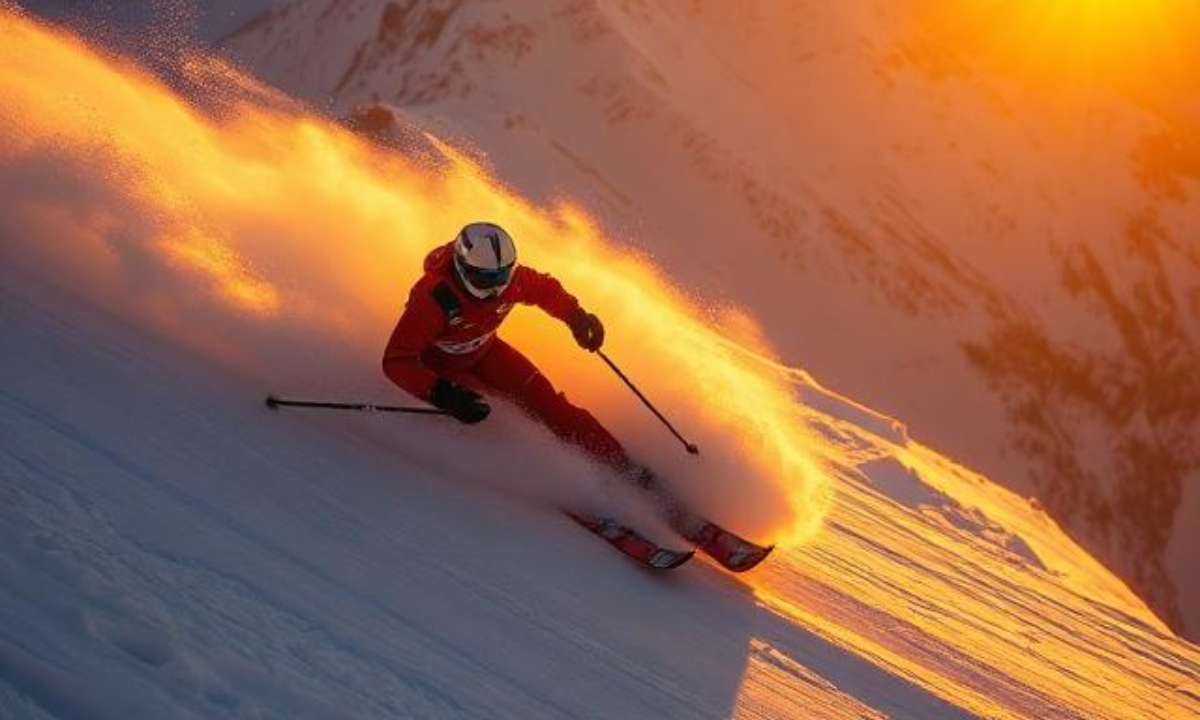
Olympic skiing has produced some of the most memorable moments in sports history. From dramatic downhill victories to dominant cross-country performances, the athletes who succeed on the world’s biggest winter stage often become global icons. Yet the story of famous Olympic skiers is not just about medals. It is about innovation, resilience, and the ability to perform under extraordinary pressure.
This guide explores the skiers who shaped Olympic history across alpine skiing and cross-country skiing. You will learn what made them exceptional, how they changed their sport, and why their achievements continue to influence modern competitors. Whether you are a skiing enthusiast, a sports history fan, or simply curious about the legends of the Winter Olympics, these athletes represent the highest level of achievement on snow.
Why Famous Olympic Skiers Matter
The Winter Olympics provides a unique measure of greatness. World Cup titles reward consistency over an entire season, but olympic medals earned during a brief window when conditions, pressure, and expectations are at their peak.
Many famous skiers have won major championships, but only a select group transformed the public perception of the sport. Their influence extended beyond results and helped grow skiing worldwide.
What separates Olympic legends?
-
Multiple Olympic medals across different events
-
Longevity across several Winter Games
-
Technical innovation
-
Success under intense pressure
-
Global impact on the popularity of skiing
For example, alpine champions often inspired new generations of racers, while cross-country stars redefined endurance training methods used throughout winter sports.
The Most Famous Olympic Skiers in Alpine History
Alpine skiing has produced many household names, but a few athletes stand above the rest because of their Olympic achievements.
Ingemar Stenmark
Ingemar Stenmark is widely regarded as one of the greatest technical skiers ever. Although his Olympic medal count was smaller than some modern stars, his dominance in slalom and giant slalom changed how racers approached precision skiing.
Jean-Claude Killy
Jean-Claude Killy achieved one of the most famous feats in Olympic history by winning three alpine gold medals at the 1968 Winter Olympics.
Alberto Tomba
Alberto Tomba brought charisma and power to alpine skiing. His performances at the 1988 Winter Olympics and 1992 Winter Olympics helped make skiing a mainstream television sport in many countries.
Mikaela Shiffrin
Mikaela Shiffrin represents the modern era. Her versatility across slalom, giant slalom, super-G, and downhill has made her one of the most successful skiers of her generation.
Key achievements
|
Skier |
Olympic Highlight |
|---|---|
|
Jean-Claude Killy |
3 gold medals in 1968 |
|
Alberto Tomba |
5 Olympic medals |
|
Mikaela Shiffrin |
Multiple Olympic medals across disciplines |
|
Ingemar Stenmark |
Technical skiing pioneer |
Famous Olympic Skiers in Cross-Country Racing
Cross-country skiing demands extraordinary endurance, tactical intelligence, and mental toughness. The greatest Olympic performers often dominate races lasting from sprint distances to 50 kilometers.
Bjørn Dæhlie
Bjørn Dæhlie became one of the most decorated Winter Olympians in history. His combination of aerobic capacity and race strategy helped Norway establish a new standard in cross-country skiing.
Marit Bjørgen
Marit Bjørgen is often considered the greatest female cross-country skier ever. She won medals across multiple Olympic cycles and excelled in both sprint and distance events.
Johannes Høsflot Klæbo
Johannes Høsflot Klæbo has emerged as the dominant male skier of the modern era. His explosive sprinting ability and tactical awareness have made him a major Olympic contender.
What made them successful?
-
Exceptional aerobic conditioning
-
Efficient skiing technique
-
Advanced pacing strategies
-
Strong finishing speed
-
Ability to adapt to changing snow conditions
Olympic Skiers Who Changed the Sport
Some athletes achieved more than medal success. They influenced equipment, training, media coverage, and athlete development.
Franz Klammer
Franz Klammer‘s daring downhill run at the 1976 Winter Olympics became a symbol of aggressive alpine racing.
Lindsey Vonn
Lindsey Vonn helped expand the commercial reach of women’s skiing. Her success in speed events inspired a generation of female racers and increased global interest in alpine competitions.
Bode Miller
Bode Miller challenged traditional coaching philosophies by emphasizing adaptability and instinctive skiing.
Their broader impact
-
More aggressive racing techniques
-
Greater media attention for skiing
-
Increased sponsorship opportunities
-
Expanded participation among young athletes
-
New approaches to training and race preparation
How Olympic Skiing Evolved Across Generations
Comparing athletes from different eras is difficult because the sport has changed dramatically.
1960s–1970s
-
Wooden or early composite skis
-
Less specialized training
-
Limited sports science support
1980s–1990s
-
Improved ski materials
-
Professional coaching systems
-
Greater international competition
2000s–Present
-
Advanced biomechanics analysis
-
Precision equipment tuning
-
Altitude training programs
-
Data-driven performance monitoring
A useful comparison
|
Era |
Defining Feature |
|---|---|
|
1960s–1970s |
Raw technical mastery |
|
1980s–1990s |
Professionalization |
|
2000s–2010s |
Sports science integration |
|
2020s |
Data-driven optimization |
This evolution makes the achievements of earlier champions especially impressive because they competed with fewer technological advantages.
The Greatest Olympic Skiing Performances Ever
Several performances stand out even among elite champions.
Jean-Claude Killy in 1968
Winning three alpine gold medals at a single Olympics remains one of the sport’s defining accomplishments.
Franz Klammer’s Downhill Victory
His high-risk run in Innsbruck became one of the most replayed moments in Winter Olympic history.
Marit Bjørgen in 2018
Competing at age 37, Bjørgen won multiple medals and demonstrated remarkable longevity.
Mikaela Shiffrin’s Versatility
Her ability to compete across technical and speed disciplines is rare in modern alpine skiing.
What these performances shared
-
Execution under pressure
-
Technical excellence
-
Physical preparedness
-
Mental resilience
-
Adaptation to challenging conditions
FAQ
Who is the most famous Olympic skier of all time?
Many experts consider Jean-Claude Killy, Alberto Tomba, Lindsey Vonn, and Mikaela Shiffrin among the most famous alpine skiers, while Bjørn Dæhlie and Marit Bjørgen dominate cross-country discussions.
Which Olympic skier has the most medals?
Marit Bjørgen holds the record for the most Winter Olympic medals won by a female athlete.
Who is the greatest male cross-country Olympic skier?
Bjørn Dæhlie is widely regarded as one of the greatest male cross-country skiers in Olympic history.
Has any alpine skier won three gold medals at one Olympics?
Yes. Jean-Claude Killy won three alpine gold medals at the 1968 Winter Olympics.
Who is the most successful modern Olympic skier?
Mikaela Shiffrin and Johannes Høsflot Klæbo are among the most successful active skiers of the modern era.
Conclusion
The history of famous Olympic skiers is a story of athletes who pushed the limits of speed, endurance, and precision. From Jean-Claude Killy‘s historic triple-gold performance to Marit Bjørgen‘s record-setting medal haul, these competitors transformed the Winter Olympics and inspired generations of skiers around the world.
What makes these legends memorable is not only the number of medals they won, but also the way they changed their sport. Their techniques, training methods, and competitive mindset continue to influence today’s Olympic athletes.
If you enjoy exploring winter sports history, consider diving deeper into the careers of individual champions, classic Olympic races, and the evolution of alpine and cross-country skiing. Understanding how these athletes achieved greatness offers valuable insight into one of the world’s most demanding ports.