
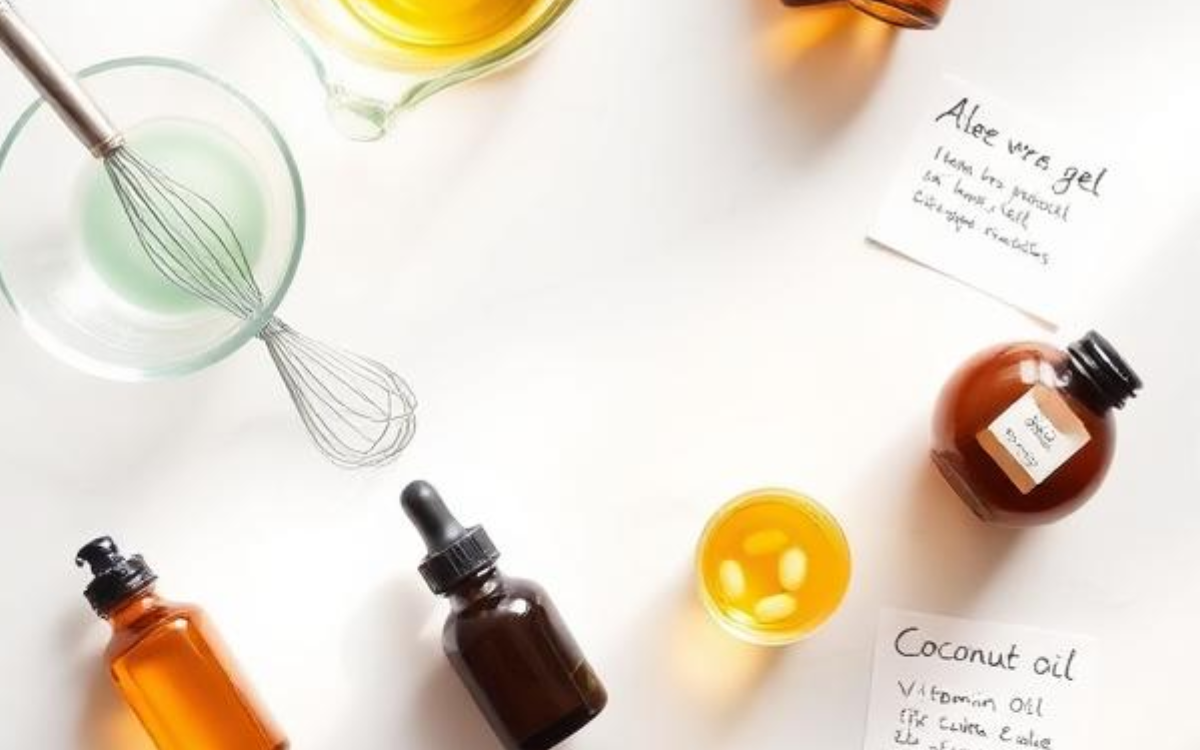
Store-bought personal lubricants can be expensive, difficult to find in some areas, or filled with ingredients that don’t work well for every body. Learning how to make lubricant at home gives you control over what goes on your skin, allows you to avoid unnecessary additives, and can save money over time.
This guide focuses on water-based, body-safe options using ingredients that are widely available and generally well tolerated. You’ll learn which ingredients are safe, which to avoid, how to prepare a simple DIY personal lubricant, and how to store it properly to reduce the risk of contamination.
Understanding the Basics of Personal Lubricant
Lubricant reduces friction, increases comfort, and can help prevent irritation during sexual activity. A good personal lubricant should be slippery enough to last, gentle on mucous membranes, and compatible with condoms and sex toys when needed.
The three main categories are:
-
Water-based: Safe for most people, easy to clean, and generally condom-compatible.
-
Silicone-based: Long-lasting and waterproof but harder to wash off.
-
Oil-based: Can degrade latex condoms and may increase infection risk for some users.
For homemade use, water-based formulas are usually the safest starting point because they’re easy to make and less likely to interfere with barrier protection.
What Makes a Good DIY Lubricant?
-
Non-irritating ingredients
-
Appropriate pH for sensitive skin
-
Consistent texture
-
Easy cleanup
-
Minimal risk of promoting bacterial or yeast growth
Ingredients: What’s Safe and What to Avoid
The ingredient list matters more than the recipe itself. Natural does not automatically mean safe for intimate use. Some common household products can cause irritation, disrupt vaginal pH, or increase the likelihood of infection.
|
Safer Water-Based Ingredients |
Ingredients to Avoid |
|---|---|
|
Pure aloe vera gel |
Petroleum jelly |
|
Vegetable glycerin (small amounts) |
Mineral oil |
|
Xanthan gum |
Scented oils |
|
Distilled water |
Essential oils |
|
Vitamin E oil (optional) |
Cornstarch or talc |
|
Chamomile tea (cooled) |
Sugar or honey |
Why Some Popular DIY Ingredients Are Risky
-
Petroleum jelly: Can trap bacteria and is not condom-safe.
-
Coconut oil: Often recommended online, but it can weaken latex condoms and may not be suitable for everyone.
-
Essential oils: Even diluted oils can irritate sensitive tissue.
-
Sugar-based ingredients: May encourage yeast growth.
Patch-test any new mixture on a small area of skin and wait 24 hours before full use.
How to Make Lubricant: 3 Easy Recipes
These recipes are designed for short-term use and should be stored in a clean, airtight container.
1. Basic Aloe Vera Lubricant
Ingredients
-
1/2 cup pure aloe vera gel
-
1 tablespoon vegetable glycerin
-
1/2 teaspoon xanthan gum
-
1/2 cup distilled water
-
2 drops vitamin E oil (optional)
Instructions
-
Mix xanthan gum into the distilled water and stir until dissolved.
-
Add aloe vera gel and vegetable glycerin.
-
Stir until smooth.
-
Add vitamin E oil if using.
-
Transfer to a clean pump bottle.
Best for: Everyday use and sensitive skin.
2. Longer-Lasting Lubricant
Ingredients
-
1/2 cup aloe vera gel
-
1 tablespoon vegetable glycerin
-
1 teaspoon psyllium husk powder
-
1/2 cup distilled water
Instructions
-
Stir psyllium husk into distilled water.
-
Let sit for 10 minutes to thicken.
-
Add aloe vera gel and glycerin.
-
Mix thoroughly.
-
Bottle and refrigerate.
Best for: Longer sessions where extra slip is needed.
3. Sensitive Skin Formula
-
1/2 cup pure aloe vera gel
-
1/2 cup cooled chamomile tea
-
1/2 teaspoon xanthan gum
-
1 teaspoon vegetable glycerin
Instructions
-
Brew chamomile tea and let it cool completely.
-
Mix xanthan gum into the tea until smooth.
-
Add aloe vera gel and glycerin.
-
Stir well and store in a clean bottle.
Best for: People who experience irritation from heavily formulated products.
Storage, Shelf Life, and Hygiene
Homemade lubricants do not contain commercial preservatives, so hygiene is critical.
Storage Guidelines
-
Use a sterilized container with a tight-fitting lid.
-
Refrigerate after preparation.
-
Use within 2–3 weeks.
-
Discard immediately if the smell, color, or texture changes.
How to Reduce Contamination
-
Wash hands before handling the product.
-
Use a clean spoon or pump dispenser instead of dipping fingers into the container.
-
Keep water out of the bottle during use.
A refrigerated DIY lubricant typically lasts longer than one stored at room temperature because cooler temperatures slow microbial growth.
Customizing Your Personal Lubricant
Once you’ve made a basic formula, you can adjust the texture and feel without changing the core safety profile.
Make It Thicker
-
Add an extra 1/4 teaspoon xanthan gum.
-
Add a small amount of psyllium husk gel.
-
Increase aloe vera gel slightly.
-
Add 1–2 extra teaspoons of vegetable glycerin.
To Add Moisture
-
Add 1–2 drops of vitamin E oil.
To Create a Cooling Effect
-
Add a single drop of food-grade peppermint extract only if it is confirmed safe for mucous membranes.
Make changes gradually. A formula that feels comfortable on the skin may still be too strong for intimate tissue.
Safety Considerations and When Not to Use DIY Lubricants
Homemade lubricant is not appropriate for everyone. If you have recurrent yeast infections, bacterial vaginosis, open sores, or known sensitivities, consult a healthcare professional before using a DIY formula.
Avoid DIY lubricants if
-
You’ve added oils and plan to use latex condoms.
-
You experience burning, itching, or swelling during use.
-
The product has been stored longer than recommended.
-
The container was not properly cleaned before filling.
External Citation Opportunity
A citation from the World Health Organization regarding condom compatibility and lubricant safety would strengthen this section.
FAQ: People Also Ask
Is homemade lubricant safe to use?
It can be safe when made with body-friendly, water-based ingredients and used within the recommended storage period. Patch-testing first reduces the risk of irritation.
How long does DIY personal lubricant last?
Most homemade water-based lubricants last 2–3 weeks in the refrigerator when stored in a clean, airtight container.
Can I use homemade lubricant with condoms?
Water-based DIY lubricants are generally the safest choice with condoms. Avoid oil-based ingredients if you’re using latex condoms.
Can I make lubricant without aloe vera?
Yes. Psyllium husk gel or cooled chamomile tea thickened with xanthan gum can be used as the base of a water-based formula.
Should I add essential oils for fragrance?
Most healthcare professionals advise against using essential oils on sensitive intimate tissue because they can cause irritation even in small amounts.
Conclusion
Learning how to make lubricant gives you more control over the ingredients you use on your body. A simple water-based personal lubricant made with aloe vera, distilled water, and a gentle thickener can provide effective lubrication without many of the additives found in commercial products.
Start with the basic recipe, patch-test it, and adjust the texture gradually until it feels comfortable for your needs. Safe ingredients, clean preparation, and proper storage are the three factors that make the biggest difference.
Ready to try a DIY personal lubricant? Begin with the aloe vera formula above and keep notes on the texture, comfort, and shelf life so you can refine the recipe for future use.