
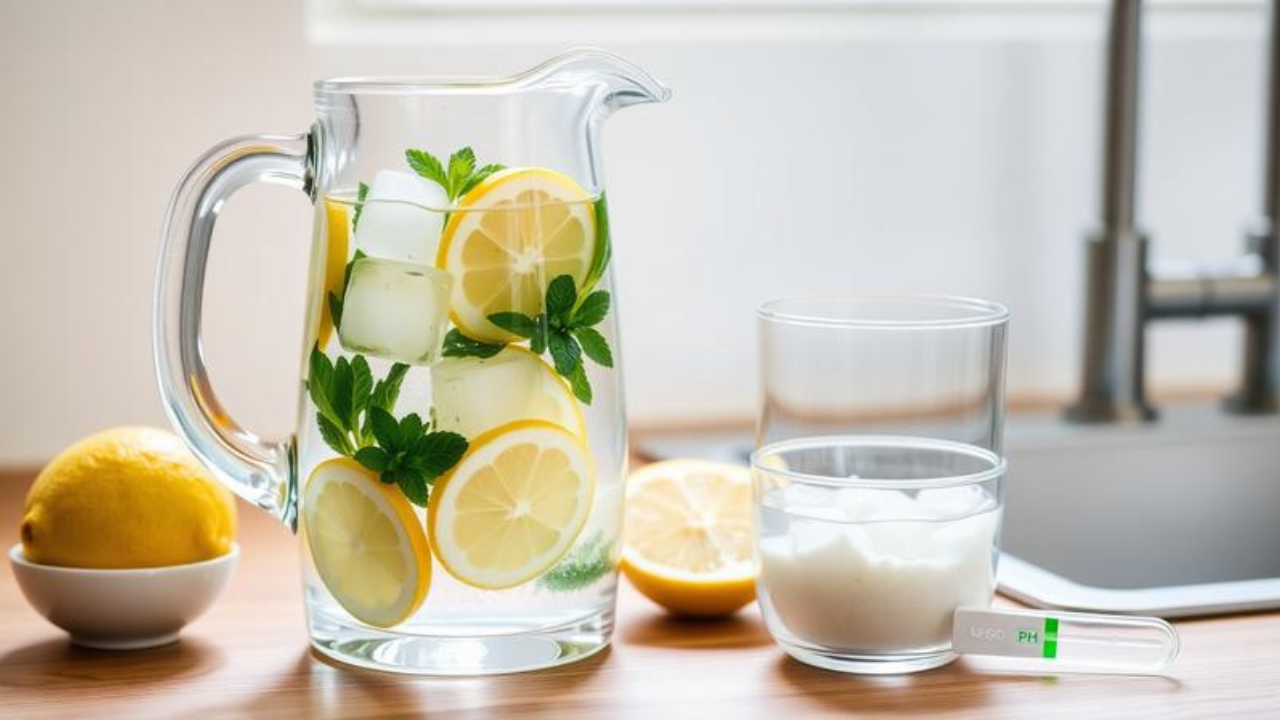
Alkaline water has become a popular choice for health-conscious individuals, often touted as a superior way to hydrate. But with a dizzying array of bottled brands and expensive filtration systems on the market, it’s easy to feel overwhelmed. The good news is that you don’t need to spend a fortune to enjoy its potential benefits.
Learning how to make alkaline water at home is surprisingly simple, cost-effective, and puts you in complete control of what you’re drinking. This guide will explore the science, benefits, risks, and provide you with easy DIY methods to create high-pH water using everyday ingredients, from a pinch of baking soda to a squeeze of lemon.
What is Alkaline Water? Understanding the Science
Before diving into recipes, it’s crucial to understand what “alkaline” actually means. The term refers to the pH (potential of hydrogen) level of a substance, which measures how acidic or basic it is on a scale from 0 to 14. A pH of 7 is neutral, like pure water. A pH below 7 is acidic (think lemon juice or coffee), while a pH above 7 is alkaline (or basic).
Regular tap water generally has a neutral pH of around 7. Alkaline water, on the other hand, has a higher pH, typically between 8 and 9.5. This higher pH is what proponents believe gives the water its unique health properties.
Natural vs. Artificial Alkaline Water
Alkaline water can occur naturally when water flows over rocks, like in certain springs, and picks up minerals such as calcium, potassium, and magnesium, which increase its alkalinity. However, most alkaline water available today is “artificially” created using a process called electrolysis or by simply adding alkaline minerals to purified water. The good news is that we can easily replicate this process at home.
It’s important to note that while many praise the benefits of alkaline water, evidence-based research supporting many of these claims is still limited. With that crucial context, let’s explore what the potential benefits might be.
Claimed Benefits of Alkaline Water (What the Research Says)
While more studies are needed, some research suggests that drinking alkaline water could offer several advantages, particularly for those with certain digestive conditions.
-
Temporary Acid Reflux Relief: One of the most promising potential benefits is for heartburn. Some studies indicate that alkaline water with a pH of 8.8 can denature pepsin, the primary enzyme that causes acid reflux symptoms, acting as a temporary buffer against stomach acid. However, Harvard Health points out that this would only be temporary, and antacids are more effective for lasting relief.
-
Supporting Bone Health: Some preliminary studies have suggested that alkaline water may help slow bone loss. The theory is that an alkaline environment may reduce the amount of calcium the body needs to leach from bones to neutralize dietary acid.
-
Improved Hydration: A few studies have hinted that alkaline water might be more hydrating than standard water, particularly after strenuous exercise.
-
Gut Health Research: Newer research, such as a 2025 pilot study published by the NIH, is beginning to explore the impact of electrolyzed alkaline water on the gut microbiota, showing promise for metabolic health, though this area is still under active investigation.
The Other Side of the Coin: Risks and Side Effects
For the average healthy person, alkaline water is generally considered safe. However, it’s not without potential risks, especially when consumed in excess.
-
Altered Stomach Acid: Your stomach is naturally acidic (with a pH of about 1.5-3.5) to digest food and kill harmful pathogens. Regularly drinking large amounts of alkaline water could potentially neutralize this acid, making digestion less efficient and increasing your risk of gastrointestinal infections.
-
Metabolic Alkalosis: While rare, overconsumption of very high-pH water (above 9.8) can interfere with your body’s ability to regulate its pH, leading to a condition called metabolic alkalosis, which can cause nausea, muscle twitching, and hand tremors.
-
Sodium Content: One of the easiest ways to make alkaline water is with baking soda. However, baking soda is high in sodium, which can be a serious concern for individuals on a low-sodium diet or those with high blood pressure. It is essential to use this method sparingly.
5 Simple Methods: How to Make Alkaline Water at Home
Now for the practical part. Here are five of the most effective and easy methods to create your own alkaline water using common household items.
1. The Baking Soda Method (Fastest & Simplest)
Using baking soda (sodium bicarbonate), a naturally alkaline compound, is the most straightforward way to raise the pH of your water instantly. It’s perfect when you need a glass of alkaline water without any waiting.
-
Ingredients: 1 cup (240ml) of filtered water, 1/8 teaspoon of baking soda.
-
Instructions: Simply add the baking soda to the water and stir thoroughly until it is completely dissolved. The water is ready to drink immediately.
-
Pro Tip: For larger batches, use 1/4 teaspoon of baking soda for every quart (liter) of water to reach a pH of 8 or 9, and about 1/2 tablespoon for a gallon.
-
Important Caution: Due to the high sodium content, this method is not recommended for daily, all-day consumption. It should be used occasionally.
2. The Lemon or Lime Infusion (Surprisingly Alkaline)
This is one of the most counterintuitive but popular methods for making alkaline water. Lemons and limes are acidic fruits with a low pH outside the body. However, they are rich in alkaline minerals like potassium and magnesium, which are left behind once the water is metabolized, creating an alkaline “ash.”
-
Ingredients: 1 glass or 1 liter of filtered water, half a fresh lemon or lime.
-
Instructions: Squeeze the juice of the lemon or lime into your water. You can also add the lemon slices for extra flavor. For a more potent effect, let the water sit for 8 to 12 hours to allow the minerals to fully infuse into the water.
-
Why it works: While acidic in the glass, the final metabolic effect on the body is alkalizing.
3. The pH Drop Method (Precise & Efficient)
pH drops are a commercially available product that typically contain a concentrated blend of ionic minerals like potassium, magnesium, and calcium. They are designed to be a simple, tasteless way to alter the pH of any liquid.
-
How to Use: This varies by brand, so you should always follow the manufacturer’s instructions. Typically, you add a few drops of the solution to an 8-ounce glass of water.
-
Pros: Highly precise, portable, and generally tasteless.
-
Cons: Can be more expensive than other DIY methods and requires purchasing a specialized product.
4. The Alkaline Water Filter Pitcher (Most Convenient)
For a more long-term, set-it-and-forget-it solution, an alkaline water filter pitcher is a great choice. These pitchers look like standard water filter jugs but contain a special cartridge that both filters out contaminants and adds back beneficial alkaline minerals.
-
How it Works: As you pour tap water into the top, it passes through a filter that removes chlorine, lead, and other impurities. It then flows through a mineral cartridge that infuses the water with calcium, magnesium, and potassium, naturally raising its pH.
-
Pros: Extremely convenient, cost-effective over time, and produces consistently high-pH water on demand.
5. The Water Ionizer Machine (High-End, High-Performance)
This is the most sophisticated way to make alkaline water at home. A water ionizer is a countertop appliance connected to your water supply that uses a process called electrolysis to separate the water into alkaline and acidic streams.
-
How it Works: The machine passes water over electrically charged platinum and titanium plates, which split the water molecules into H+ (acidic) and OH- (alkaline) ions. It then releases the alkaline stream for drinking and the acidic stream for cleaning.
-
Pros: Can produce water with very high pH levels (up to 9.5 or higher) and also creates antioxidant-rich water with a negative oxidation-reduction potential (ORP).
-
Cons: This is by far the most expensive option, with machines costing hundreds or even thousands of dollars.
Choosing the Best Method for Your Lifestyle
With so many options, which one is right for you? Here’s a quick comparison to help you decide.
| Method | Cost | Ease of Use | Best For |
|---|---|---|---|
| Baking Soda | Very Low | Very Easy | Occasional use, instant results. |
| Lemon/Lime | Low | Very Easy | People who enjoy flavored water and want a natural method. |
| pH Drops | Medium | Very Easy | People who want precise control and a portable solution. |
| Filter Pitcher | Medium | Easy | People who want a constant supply of alkaline water for their whole family. |
| Ionizer Machine | High | Moderate | Tech enthusiasts and committed users who want the highest possible pH and antioxidant properties. |
Frequently Asked Questions (FAQs)
Does boiling water make it alkaline?
No. Boiling water will kill bacteria, but it will not change its pH level. In fact, boiling can sometimes make water slightly more acidic as it concentrates dissolved carbon dioxide.
How long does homemade alkaline water last?
The shelf life of homemade alkaline water depends on the method. When you add baking soda, the water should be consumed within a day, as it can lose its alkalinity over time. Water from a filter pitcher or ionizer is best enjoyed fresh but can be stored in a sealed glass bottle in the refrigerator for 24-48 hours.
Is it safe to drink alkaline water every day?
For most healthy adults, drinking naturally alkaline water (from a filter or ionizer) daily is likely safe. However, drinking excessive amounts of water made with baking soda is not recommended due to its high sodium content. It’s always best to listen to your body and consult a doctor if you have any underlying health conditions like kidney disease, as they may not be able to effectively excrete excess minerals from alkaline water.
Conclusion: A Balanced Approach to Hydration
Learning how to make alkaline water at home is an empowering way to explore personalized hydration without breaking the bank. Whether you choose the instant simplicity of baking soda, the natural infusion of lemon, or the consistent convenience of a filter pitcher, you have the tools to create a high-pH beverage in your own kitchen.
However, it’s essential to approach alkaline water with a balanced perspective. While it may offer some benefits, particularly for acid reflux, it is not a magic cure-all or a substitute for a healthy diet and lifestyle.
Have you tried any of these methods to make your own alkaline water? Share your experience or your own creative recipe in the comments below. And if you have a pre-existing health condition, be sure to talk to your doctor before making any major changes to your daily hydration habits. Your journey to a more customized and health-conscious hydration starts right at your kitchen counter.